
MAN Advocates Tax Reforms to Boost Industries in Cross River
The Manufacturers Association of Nigeria (MAN) has called on government authorities to implement strategic tax reforms to enhance industrial growth in Cross River State.
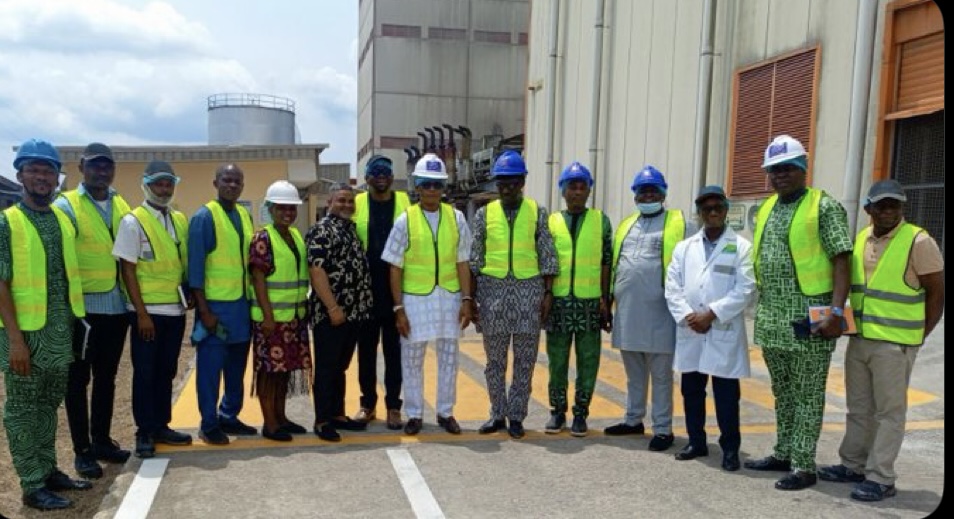
The appeal was made during a visit by MAN’s leadership to Calabar, aimed at strengthening collaboration between the industry and state government.
According to MAN, multiple taxation remains a major challenge for manufacturers in the state, with some firms reportedly subjected to up to 40 different levies across federal, state, and local government levels.
This, the association warned, significantly increases production costs and undermines competitiveness. Speaking during the visit, Francis Meshioye, MAN’s National President, highlighted the urgent need for simplified tax policies and improved infrastructure to stimulate industrial development.
He said the association’s delegation also discussed plans for a manufacturing summit to explore innovative ways to boost production and attract investments to the state.
The visit aligns with ongoing national conversations on tax reform, as the federal government seeks to streamline Nigeria’s fragmented tax system. Industry stakeholders, including the Nigeria Economic Zones Association (NEZA), have called for constructive dialogue to ensure that reforms benefit manufacturers and maintain Nigeria’s investment appeal.
MAN further projected that effective implementation of tax incentives and harmonized levies could drive a 3.1% growth in the manufacturing sector in 2026, signaling a potential rebound if policy adjustments are made.
Cross River, home to the Calabar Free Trade Zone and future projects like the Bakassi Deep Seaport, stands to benefit significantly from improved tax policies and better logistics.
Observers note that such reforms could attract investments, expand industrial capacity, and create jobs across the region. MAN’s advocacy underscores a critical message: coordinated tax reforms and government-industry collaboration are key to revitalizing local industries and enhancing Nigeria’s competitiveness in the global market.