King Mitchy Apologises to Ooni, Seyi Tinubu, VDM After Online Controversy
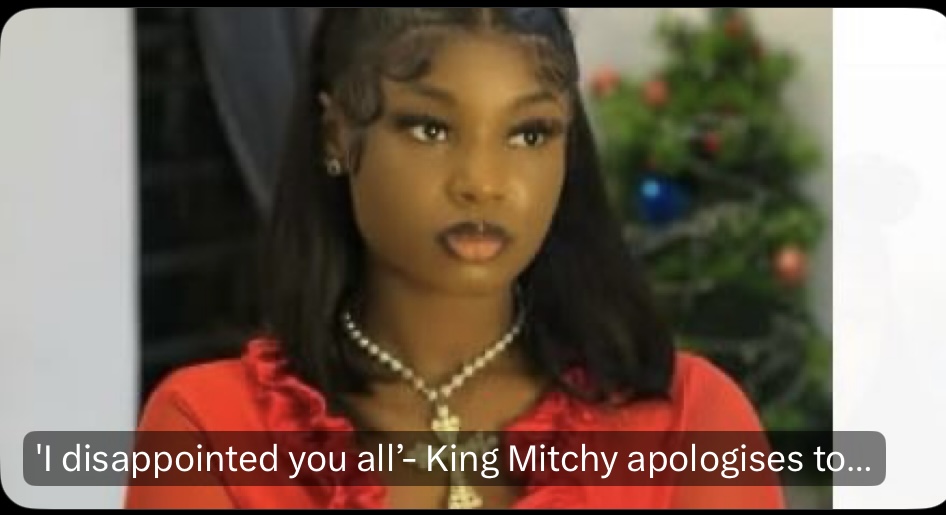
Nigerian social media influencer and philanthropist, Mitchell Mukoro, popularly known as King Mitchy, has publicly apologised to several prominent figures after a viral online controversy that sparked widespread reactions across social media.
In a video message shared on her social media platforms, the influencer admitted that her actions had disappointed many people and took responsibility for the events that unfolded during the recent dispute involving activist Martins Vincent Otse, widely known as VeryDarkMan (VDM).
"I know I disappointed you all, and I sincerely apologise,” she said in the emotional video, acknowledging that some of her actions and comments during the heated online exchanges were inappropriate.
King Mitchy specifically apologised to Seyi Tinubu, whom she said had shown her support but was dragged into the controversy unnecessarily.
She also sought forgiveness from the revered Yoruba monarch Adeyeye Ogunwusi, stating that involving the traditional ruler in the online dispute was a mistake.
The controversy began after King Mitchy claimed she completed the renovation of a dilapidated school in Delta State within six days through her charity initiative.
The announcement sparked debate online, with some supporters praising the project while others questioned the funding and circumstances surrounding the effort.
The situation escalated when VeryDarkMan criticised the project and alleged that Seyi Tinubu was financially backing Mitchy’s philanthropic activities.
The disagreement quickly turned into a heated exchange on social media, attracting the attention of thousands of users and sparking intense public debate.
Tensions rose further when King Mitchy referenced a private conversation with the Ooni of Ife during the dispute, a move that drew criticism from many Nigerians who felt the respected monarch should not have been involved in the social media feud.
In her apology, Mitchy said she regretted the livestream that intensified the controversy and admitted it sent the wrong message, particularly to young Nigerians who look up to her.
I take full responsibility for my actions and I promise to do better,” she said, adding that she remained committed to humanitarian work and positive engagement online.
The apology has generated mixed reactions across social media, with some Nigerians commending her for taking responsibility while others believe the controversy highlights the growing influence—and risks—of social media activism and celebrity culture in Nigeria.