
CBN Financial Reforms Strengthening Nigeria’s Economy
By 𝔸bdulrazak Tomiwa
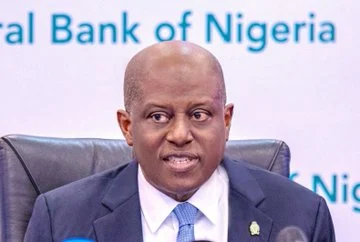
The CBN reports that its financial reforms are successfully stabilizing Nigeria’s economy. Governor Olayemi Cardoso stated that inflation management and banking recapitalization are crucial for long-term stability. These efforts aim to build a resilient institutional framework for the nation.
During a Lagos lecture, Cardoso emphasized that policy discipline is vital for recovery. While acknowledging recent inflation and currency volatility, he maintained that restoring the central bank’s credibility is the only path forward.
He urged for consistent efforts to sustain these financial gains.
The 2024 banking recapitalization program seeks to support a $1 trillion economy by 2030. Most Nigerian banks have already made significant progress toward meeting these new, higher capital requirements.
This shift enables local banks to better finance large-scale industrial and infrastructure projects.
Unifying the foreign exchange market and removing petrol subsidies were identified as critical structural corrections. These moves helped boost external reserves to over $50 billion, providing nine months of import cover.
A market-driven system has increased transparency and slowly restored investor confidence.
The CBN is prioritizing digital modernization through the Nigerian Payments System Vision 2028. By expanding fintech regulation and updating anti-money laundering guidelines, the bank aims to deepen financial inclusion.
These advancements position Nigeria as a leader in Africa’s digital payment landscape.
While indicators show improvement, the CBN admits the benefits are still reaching the average citizen. The bank plans to increase stakeholder engagement to ensure reforms translate into better daily livelihoods. The ultimate goal is a stable financial system that drives sustainable national development.