

Taiwo Oyedele Calls for Prioritizing Nigerians’ Welfare Post-Subsidy Removal
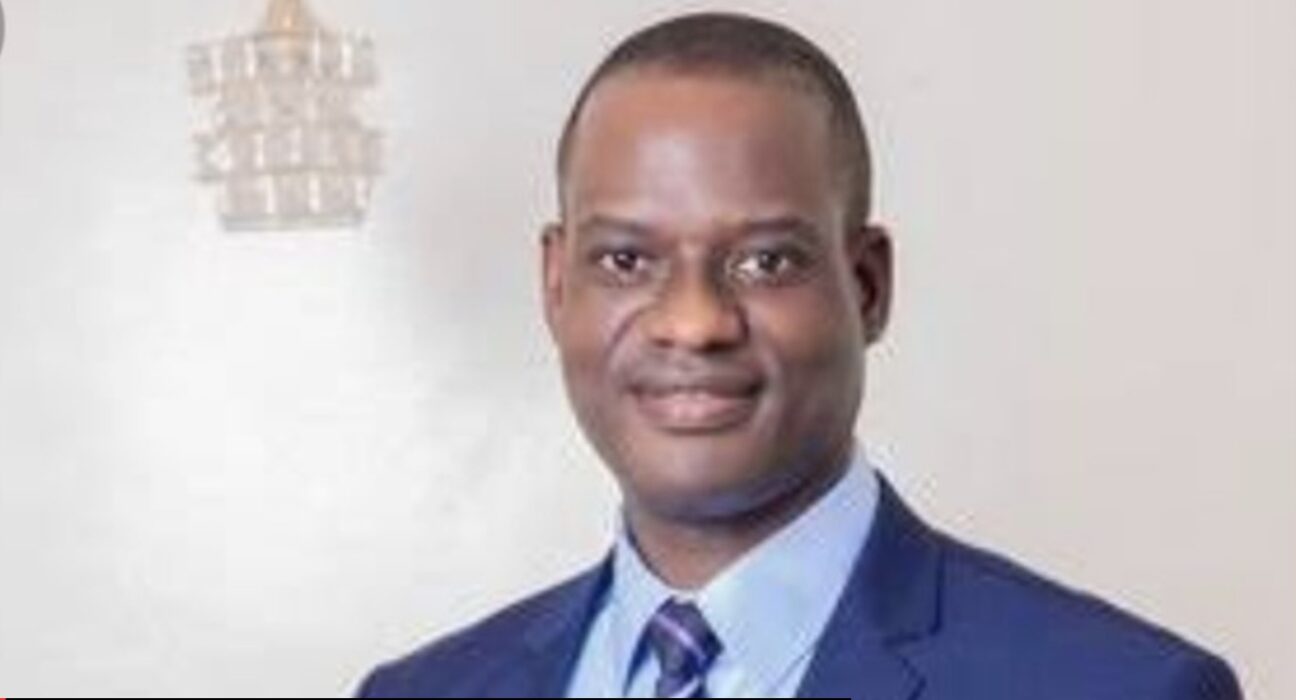
Taiwo Oyedele, Chairman of the Presidential Fiscal Policy and Tax Reforms Committee, and Minister of state , Finance nominee has emphasized that revenue gains from fuel subsidy removal represent a direct transfer from citizens to the government. He argues that to justify the sacrifices made by Nigerians, these funds must be directed toward their key priorities.
For everyday Nigerian, this means focusing on essentials like better roads, healthcare, and education to ease the burden of higher costs. Experts in fiscal policy see this as a push for accountable spending amid economic reforms.
The statement comes against the backdrop of Nigeria’s recent economic measures, including subsidy elimination and naira flotation, which have boosted government revenues but also driven inflation and living expenses. Oyedele highlighted the need for non inflationary growth through intentional fiscal strategies.
He pointed out inefficiencies in project execution, such as prolonged road constructions that waste resources and fail to deliver timely benefits, urging faster completion to maximize value.
A major focus was on redirecting savings into productive areas. Oyedele cited examples like refinancing Nigeria’s Eurobonds, noting that lower yields could save hundreds of millions annually, freeing up funds without new borrowing. For the average person, this translates to more money for community needs like farm-to-market roads or health centers. Analysts note this aligns with broader goals of sustainable development, emphasizing collaboration between federal and state levels.
Public responses have been mixed, with some praising the call for transparency while others question the government’s track record on spending. Critics demand accountability on how subsidy savings have been used so far, fearing they benefit elites over the masses. This reflects ongoing debates on governance, where promises often face skepticism due to past implementation gaps.
The broader implications involve stabilizing Nigeria’s economy amid global pressures. Effective use of these revenues could reduce inflation, improve infrastructure, and boost public trust. However, failure to prioritize welfare risks widening inequality and social unrest, affecting everything from daily commutes to long-term growth.
In essence, Oyedele’s remarks underscore the need for people centered policies in Nigeria’s reform agenda. While offering hope for tangible improvements, they also highlight the urgency of action to turn economic sacrifices into shared prosperity, appealing to both citizens and policymakers.