Nigeria LNG Cargo Diverted to Asia Amid Global Price Surge
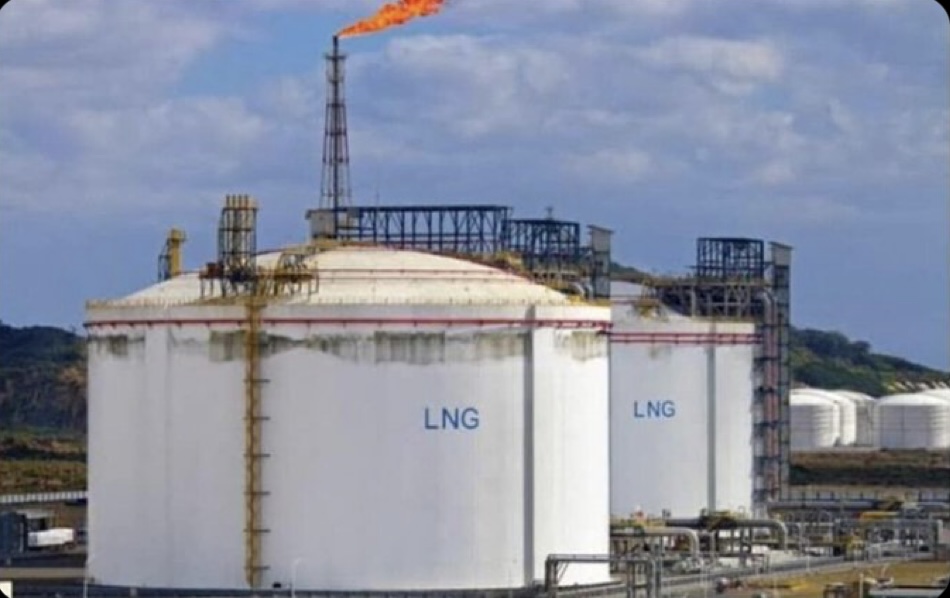
Nigeria LNG Cargo Diverted to Asia Amid Global Price Surge A cargo of liquefied natural gas (LNG) from Nigeria LNG Limited has been diverted to Asian markets following a sharp rise in gas prices in the region, highlighting growing volatility in the global energy market.
Shipping and trading data indicate that the LNG cargo, originally expected to head toward the Atlantic Basin, was rerouted to Asia after buyers in the region offered significantly higher prices amid tightening global supply.
Industry analysts say the diversion reflects a widening price gap between Asian and European LNG markets, making Asia a more profitable destination for flexible LNG shipments. The surge in Asian LNG prices is largely linked to disruptions in global energy supply triggered by escalating tensions in the Middle East.
The ongoing conflict involving Iran has raised concerns about shipping routes and energy production in the region, increasing competition among importing nations for available cargoes.
As a result, several Asian countries heavily dependent on imported gas—including India and Bangladesh—have been seeking alternative LNG supplies to meet growing domestic demand, pushing spot market prices higher.
Energy traders say the price spike has created an arbitrage opportunity, encouraging suppliers from the Atlantic Basin, including Nigeria and the United States, to redirect shipments toward Asia where profit margins are stronger.
The development also highlights increasing competition between Asian and European buyers for limited LNG supplies. While European countries have been working to rebuild gas inventories, higher spot prices in Asia have made the region a more attractive destination for exporters.
Nigeria remains one of Africa’s largest LNG exporters through Nigeria LNG Limited, which ships millions of tonnes of gas annually to global markets.
Analysts note that if the current price disparity persists, more LNG cargoes from Nigeria and other Atlantic suppliers could be diverted to Asia in the coming weeks, further reshaping global gas trade flows.
They also warn that prolonged geopolitical tensions and supply disruptions could continue to drive volatility in the global LNG market, forcing importers and exporters to adjust their trading strategies and shipping routes.