
Women’s Special Seats Inconsequential in Oppressive Society, Laments Senator Kingibe
By 𝔸bdulrazak Tomiwa
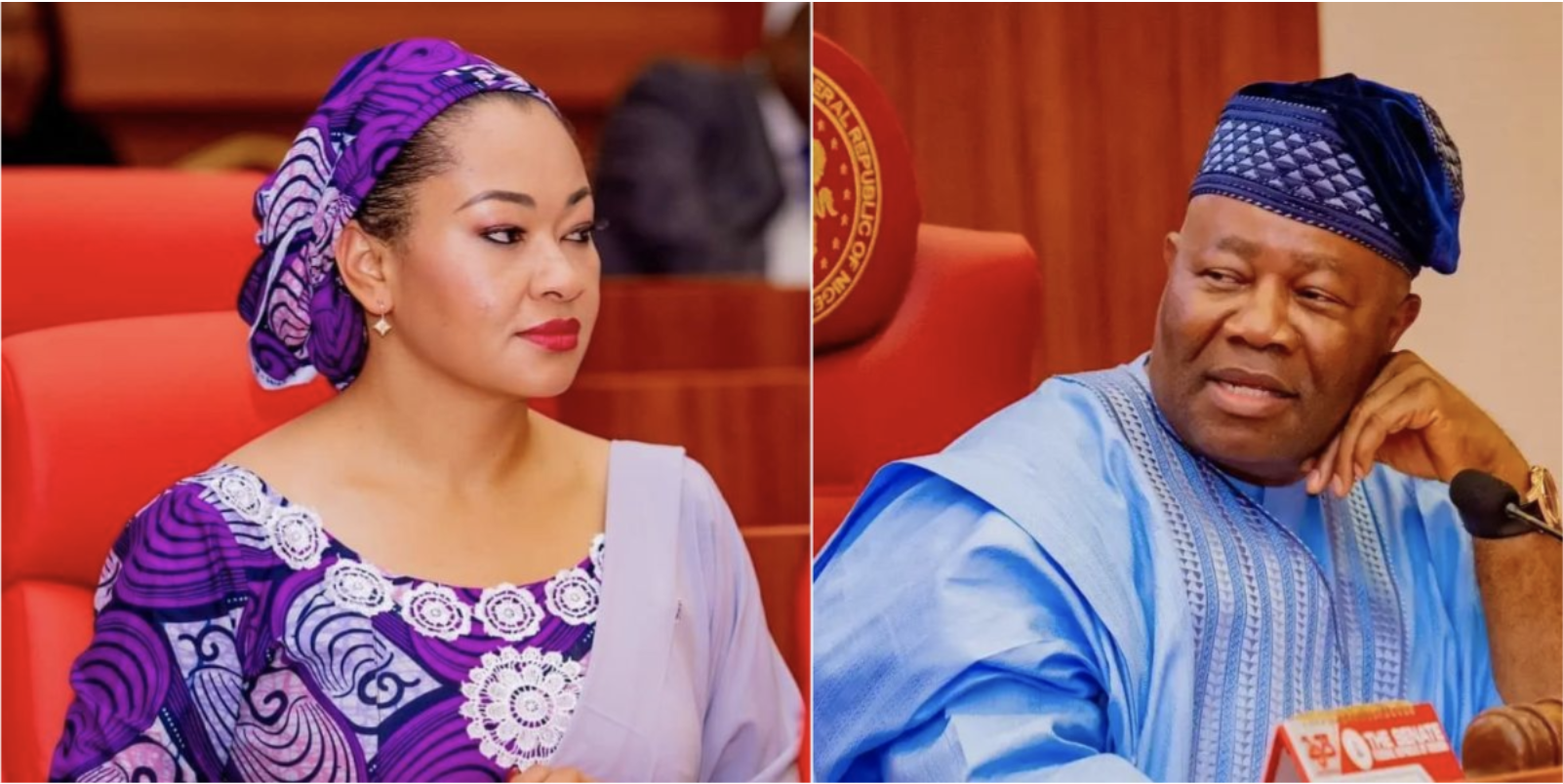
Federal lawmaker representing the Federal Capital Territory (FCT) in the Senate, Ireti Kingibe, has stated that the six special seats proposed for women in the Nigerian Senate will not result in any significant change.
She noted that the Senate will remain overwhelmingly male-dominated despite the move.
Kingibe, who serves as the Chair of the Senate Committee on Women Affairs, lamented that reducing the proposed special seats to just six fails to solve the underlying problem. According to her, it does not fundamentally change the representation or the balance of voices within the chamber.
She pointed out that the situation will remain stagnant until there are deliberate and effective measures to increase women’s representation.
The lawmaker argued that the political environment in Nigeria is only perceived as hostile because men choose to make it so.
Speaking on Arise News, she highlighted the double standards faced by female legislators. She noted that while outspoken men are simply viewed as “outspoken,” women who speak up, like herself, are frequently labeled as “troublesome” by their colleagues.
The Senator revealed her ongoing struggle to push the Gender Equal Opportunity Bill to a second reading. She expressed frustration that even when she lobbies her colleagues, particularly the older ones, they question the necessity of the bill or claim it contravenes the Constitution.
Kingibe criticized the reduction of special seats from the initially proposed 37 down to six. She illustrated her point by noting that with only four women currently in the Senate, adding six more would only bring the total to 10, which she described as “inconsequential” to changing the narrative.
She further emphasized that the Nigerian society and its political structures remain oppressive toward women. She suggested that the current system is designed to limit the influence of female voices in high-level decision-making processes.
Reflecting on the challenges of female parliamentarians, Kingibe stated, “In the National Assembly, outspoken men are described as just outspoken. Outspoken women like me are described as troublesome. Now I’ve even asked some men to define what the difference is between an outspoken female parliamentarian and why do you describe them differently? Whenever I lobby some of my colleagues, especially the older ones, it is ‘why do you need that? Does it not contravene the Constitution?’ I said no, the Constitution says 50% and I’m asking you to enforce 35%.”