


Russia Provides Iran with Intelligence to Target U.S. Forces in Escalating Middle East War
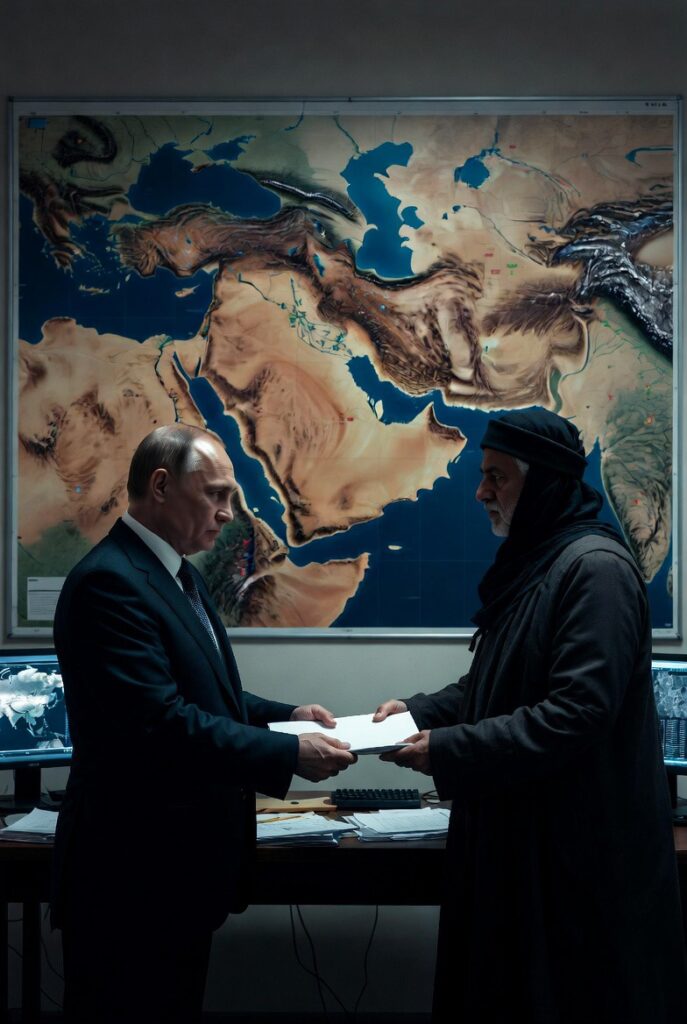
In a striking development amid the rapidly intensifying conflict between the United States, Israel, and Iran, U.S. officials have disclosed that Russia is actively sharing sensitive intelligence with Tehran to help locate and strike American military assets in the Middle East.
This marks the first confirmed instance of another major global power indirectly entering the fray, heightening concerns about a broader international confrontation.
The intelligence, according to three officials speaking on condition of anonymity due to the classified nature of the information, includes precise locations of U.S. warships patrolling key waterways like the Persian Gulf and aircraft operating from regional bases in countries such as Iraq, Syria, and Gulf allies. This support began shortly after the war erupted on Saturday, February 28, 2026, when U.S. and Israeli forces launched coordinated strikes on Iranian targets under operations dubbed “Epic Fury” by the U.S. and “Roaring Lion” by Israel. Those initial attacks aimed to degrade Iran’s missile capabilities, air defenses, and leadership structures, prompting swift Iranian retaliation with drones, missiles, and strikes on U.S. and allied positions across the region.
Russia’s involvement adds a dangerous layer to an already volatile situation. While Moscow has not deployed troops or engaged directly in combat, the provision of targeting data represents a form of proxy assistance that could enable more accurate and damaging Iranian attacks on American forces. Officials described the effort as “comprehensive,” suggesting it draws on Russia’s advanced surveillance and satellite capabilities resources built through years of military and technological cooperation with Iran, including joint drone production and intelligence-sharing agreements. This move is widely viewed as retaliation for U.S. support to Ukraine, where American intelligence has long helped Kyiv locate and strike Russian positions.
The revelation comes as the conflict continues to expand. Iran has launched waves of ballistic missiles and drones at U.S. bases and Israeli sites, including claims of strikes on locations like Ben Gurion Airport and Gulf installations. Many have been intercepted by U.S. and allied defenses, but the exchanges have strained regional partners, some of whom have criticized Washington for inadequate warnings or coordination.
Meanwhile, the U.S. has surged additional airpower into the theater, including stealth fighters and bombers, to maintain superiority and press the campaign against Iran’s remaining missile and naval assets.
For ordinary observers, this intelligence-sharing dynamic resembles a high stakes chain reaction: one conflict (Ukraine) spills over into another (Middle East), with superpowers indirectly clashing through allies rather than direct confrontation. For those following global strategy closely, it underscores the interconnected web of modern warfare where satellite data, real time positioning, and proxy relationships can shift battle outcomes without formal declarations of war.
Russia’s actions also highlight limits to its leverage in the region; while it condemns U.S. strikes and calls for diplomacy, direct military intervention remains unlikely given its commitments elsewhere.
As the fighting enters its second week, diplomats from multiple nations have urged de escalation, with some Iranian channels signaling potential openness to talks though U.S. officials remain skeptical of immediate breakthroughs. The White House has emphasized protecting American troops and allies, vowing continued operations until Iran’s threats are neutralized.
With nuclear capable powers now linked through this intelligence pipeline, the risk of miscalculation looms large, keeping the international community on edge as events unfold.