
Oil Prices to Surge as Middle East Tensions Threaten Global Supply
Global oil prices are expected to rise sharply when trading resumes following military actions involving the United States and Israel in Iran, with analysts warning that prolonged instability in the Middle East could have far-reaching economic consequences.
The oil market reopens at 2300 GMT, and experts anticipate a significant price increase on Monday.
Research analysts from Kpler estimate crude prices could climb to between $85 and $90 per barrel, reflecting heightened concerns over supply disruptions and geopolitical risk.
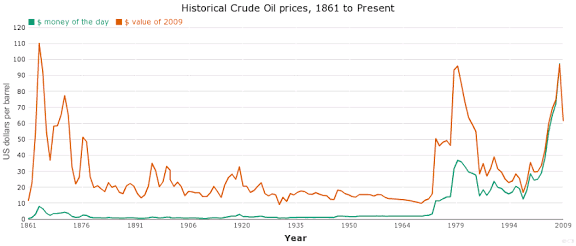
Brent crude, the international benchmark, recently traded above $72 after factoring in regional tensions up from $61 earlier in the year.
A sustained escalation in conflict could push prices beyond $100 per barrel, analysts warn, potentially increasing inflation and slowing global economic growth.
Attention is also focused on the Strait of Hormuz, a critical shipping route that handles roughly 20% of the world’s oil trade.
Maritime operations in the area face increasing risk, with shipping companies reportedly suspending some fleet movements due to security concerns and rising insurance costs.
Energy specialists caution that a closure or significant disruption of the waterway could remove 8 to 10 million barrels of crude oil per day from global markets. While alternative routes and infrastructure may mitigate some losses, analysts from Rystad Energy argue that such measures would be insufficient to fully replace the supply.
Oil-importing nations maintain strategic reserves under guidelines of the Organisation for Economic Co-operation and Development, which require member states to hold stockpiles for emergency use.
However, experts say these reserves could only provide temporary relief in the event of a prolonged disruption.
Higher energy prices are expected to impact global markets, raising transportation and shipping costs and increasing inflationary pressures.
Gas prices may also rise due to disruptions in liquefied natural gas exports from key suppliers, further complicating economic conditions.
Economists warn that short-term fluctuations may have limited effects, but an extended crisis could dampen economic growth.
Sectors such as aviation, tourism and maritime transport may experience declines, while defence-related industries could see gains in investor interest.