

Israel–Iran Tensions Escalate as Military Build-Ups Continue
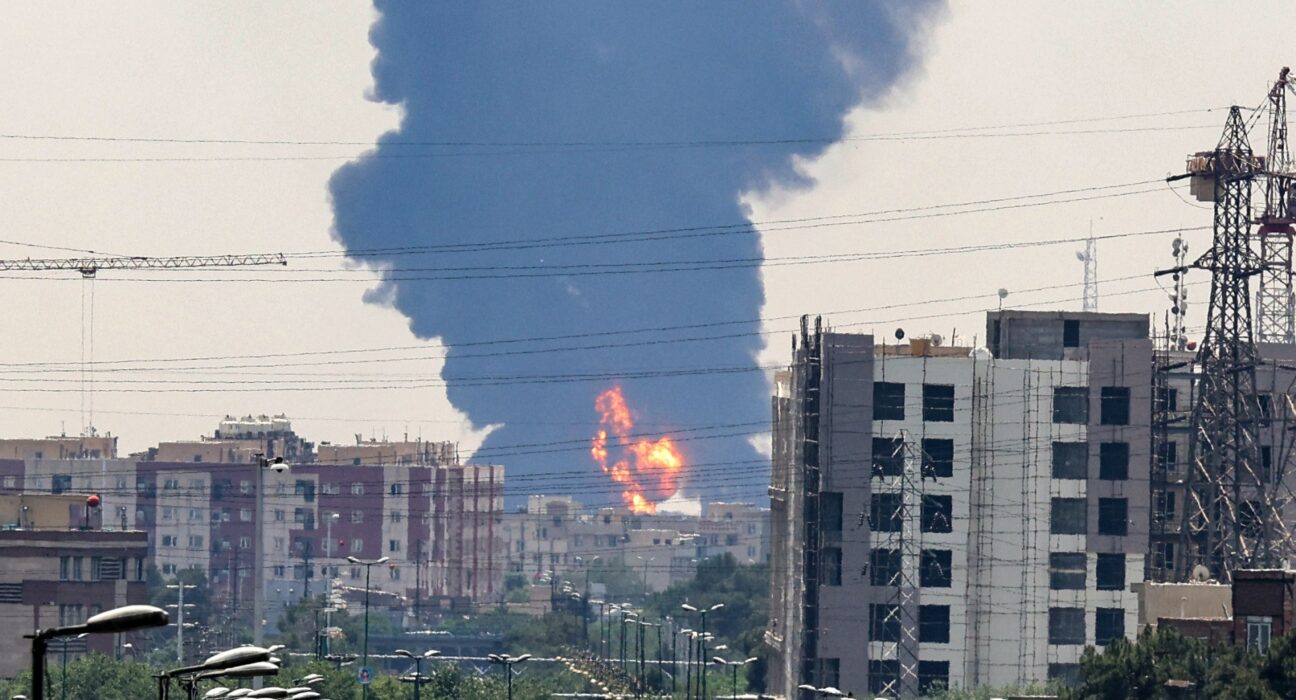
Military tensions between Israel and Iran have intensified following reports of expanded aerial refueling capabilities and ongoing air operations.
A senior Israeli defense official disclosed that the country now operates significantly more refueling aircraft than in previous conflicts, describing the system as enabling continuous air operations.
The comment comes amid heightened regional military activity and strategic posturing on both sides.
According to defense sources, Israel has increased its fleet of aerial refueling tankers, enhancing the endurance of its air force and allowing extended missions beyond immediate borders.
The capability supports long-range operations and is seen by military analysts as a key component of modern air strategy.
Officials argue that the buildup is defensive in nature and intended to deter further escalation.
The developments follow months of rising hostilities after major military exchanges between Israel and Iran, including air strikes targeting military installations and retaliatory missile launches.
International mediators have urged restraint, warning that continued escalation could destabilize the wider Middle East and disrupt global energy and trade networks.
Meanwhile, the involvement of the United States remains significant. U.S. military assets, including aerial refueling aircraft and intelligence support, have been deployed to the region as part of broader security commitments.
Washington officials maintain that their objective is to support regional stability while preventing further conflict.
Experts note that aerial refueling capabilities have become essential in modern warfare, allowing air forces to sustain operations over long distances.
However, critics argue that increased military posturing raises the risk of unintended escalation.
Humanitarian organizations have called for renewed diplomatic efforts to prioritize civilian safety and de-escalation.
The international community continues to monitor the situation closely, with calls for dialogue and negotiated solutions gaining traction.
Diplomats from multiple nations are exploring avenues to reduce tensions and prevent a wider regional crisis.