


Mercury Ad Exposes Deadly Gaps in Nigeria’s Gold Mining Regulations
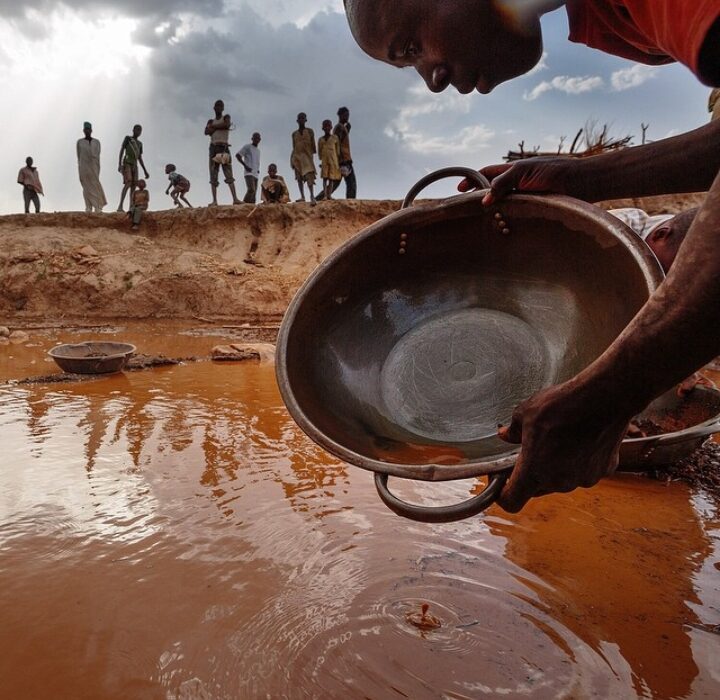
A brazen message advertising one litre of mercury for sale has sparked urgent concerns about the unregulated trade of one of the world’s most toxic substances and Nigeria’s ongoing struggle to protect its citizens from the devastating health consequences of artisanal gold mining.
The message, sent to a professional group early this week, simply read: “GOOD MORNING HOUSE! MY CLIENT HAS ONE (1) LITRE OF MERCURY FOR SALE. INTERESTED PERSON DM ME PRIVATELY PLEASE.” Within minutes, a stark warning emerged in response, reminding the seller that “mercury is a harmful chemical to animals, humans and the environment” and pleading with the industry to abandon its use in gold processing, noting that “United Nations is working with Ministry of Environment and ASM department of ministry of Solid Minerals Development and other stakeholders to stop the use of mercury in artisanal gold mining.” The exchange highlights a troubling contradiction at the heart of Nigeria’s mining sector: while the government has committed to eliminating mercury under international treaty obligations and following the horrifying lead poisoning crisis in Zamfara that killed approximately 400 children in 2010, the substance continues to be openly peddled through informal channels, raising questions about enforcement and the fate of the estimated 90 percent of artisanal miners who operate illegally and remain beyond the reach of regulators.
The 2010 Zamfara tragedy, which affected over 18,000 people in Bukkuyum and Anka Local Government Areas, was primarily caused by lead dust released during the processing of gold ore, but United Nations investigators at the time also found mercury concentrations in the air at nearly 500 times above acceptable limits for non-industrial workers, demonstrating the dual chemical threat facing communities where unregulated mining takes place. Another respondent in the thread noted, “Mercury is not only damaging to the environment but also contributes to the metal poisoning and death of children , such as in Zamfara a few years back.
Nigeria is an unregulated mining environment. In other civilized countries, peddling of mercury in the open space is prohibited.” The respondent further challenged the industry to provide alternatives, asking “please educate us on an alternative, it’s advantages over mercury,” while another participant acknowledged the complexity of policing illegal miners who constitute the vast majority of artisanal operators, noting that “Unless a cheap and effective gold recovery method is invented. Artisan miners (especially illegal ones who are 90% of artisan miners) will continue to use mercury to process gold. Policing them is difficult and complex.” The Federal Government has not been silent on this issue, with the Ministry of Environment and Ministry of Solid Minerals Development actively working to phase out mercury under Nigeria’s obligations to the Minamata Convention on Mercury, and in late 2025 the government launched the GEF GOLD+ Nigeria Project specifically aimed at formalizing artisanal mining and promoting mercury-free gold production in pilot states including Niger, Kaduna, Zamfara, and Kebbi.
Minister of Environment, Balarabe Abbas Lawal has been unequivocal about the dangers, describing mercury as “a highly toxic neurotoxin that contaminates soil, water, and the food chain” with “devastating consequences for human health and the environment” that can persist for decades. In December 2025, the National Council on Environment took even stronger action, approving a mandate for the “immediate substitution of mercury and cyanide in gold extraction with safer alternatives to protect human and animal life,” a directive that stands in stark contrast to the casual WhatsApp advertisement offering mercury for sale just weeks later.
Licensed mining companies in Nigeria are required to adhere to strict environmental standards and controlled chemical use, but the open advertisement of mercury suggests a thriving parallel market serving illegal operators who disregard all safety protocols and continue to contaminate communities. Dr. Bahijjahtu Hadiza Abubakar, a Director at the Ministry of Environment, has described the GEF GOLD+ project as “a beacon of hope” for tackling the longstanding health and environmental risks associated with mercury use, while the government has imposed a total ban on mineral processing plants operating within residential areas across all 36 states following the Zamfara disaster. Yet as the exchange demonstrates, the gap between policy and practice remains dangerously wide, with toxic substances still changing hands through informal networks while vulnerable communities, particularly children, remain exposed to chemicals that the government itself has pledged to eliminate.