Iran Rejects Trump’s Missile Claims as ‘Big Lies,’ Pushes Back on Protest Death Toll
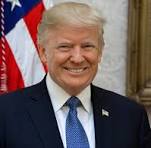
Iran’s foreign ministry on Wednesday dismissed claims by U.S. President, Donald Trump that Tehran is developing missiles capable of striking the United States, describing the allegations as deliberate falsehoods aimed at escalating tensions between the two countries.
Responding via X, Iran’s foreign ministry spokesman Esmaeil Baqaei said: “Whatever they’re alleging regarding Iran’s nuclear programme, Iran’s ballistic missiles, and the number of casualties during January’s unrest, is simply the repetition of ‘big lies’.” The statement was issued hours after Trump accused Iran of pursuing long-range missile capabilities.
Although Baqaei did not directly reference Trump’s remarks, the timing underscored Tehran’s growing irritation over renewed U.S. rhetoric. Earlier on Wednesday, the U.S. president claimed Iran was seeking missile technology that could reach American soil, a charge Iranian officials have consistently denied.
Iran’s position on its military reach was reiterated last month by Foreign Minister Abbas Araghchi, who told Al Jazeera that Iran does not possess the capability to strike the United States directly. However, he warned that Tehran would target U.S. military bases in the Middle East if Washington initiated an attack.
The exchange comes against the backdrop of Trump’s State of the Union address, where he again vowed that Iran would never be allowed to develop a nuclear weapon, accusing Tehran’s leadership of “at this moment again pursuing their sinister nuclear ambitions.”
Iranian authorities have repeatedly rejected those claims, maintaining that their nuclear programme is strictly for peaceful purposes and within their rights under international law.
Beyond military concerns, Trump also accused Iranian authorities of killing 32,000 people during nationwide protests that erupted in December and reached a peak in early January.
Iranian officials dispute that figure, acknowledging more than 3,000 deaths but attributing the violence to what they describe as “terrorist acts” encouraged by the United States and Israel.
Independent assessments vary. The U.S.-based Human Rights Activists News Agency has documented more than 7,000 deaths linked to the unrest, while cautioning that the actual toll could be significantly higher.
As both sides harden their narratives, the sharp exchange reflects deepening mistrust and signals that diplomatic tensions between Tehran and Washington remain far from easing.