



A’Ibom Cracks Down on Vandalism, Warns Village Heads
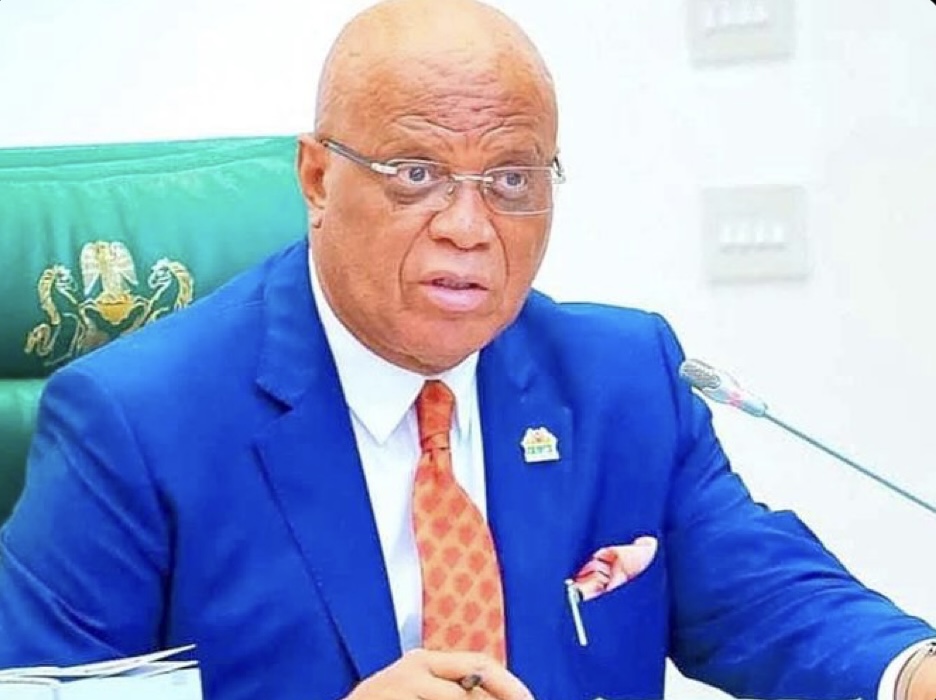
The Governor of Akwa Ibom State, Umo Eno, has declared a firm crackdown on vandalism of public property, warning that village heads will be held accountable for the destruction of government infrastructure within their communities.
The governor issued the warning amid rising incidents of vandalism, particularly affecting public schools and other critical facilities recently constructed or rehabilitated by the state government. Speaking during a public engagement, Eno said traditional rulers must take responsibility for safeguarding government assets in their domains, stressing that community leadership comes with accountability. He warned that any village head found negligent in preventing vandalism could face withdrawal of official recognition and certification by the state government. According to him, the destruction of public facilities not only undermines government efforts but also deprives citizens — especially children — of essential services such as education. He emphasized that public infrastructure belongs to the people and must be protected collectively. To reinforce the directive, the governor tasked the Commissioner for Local Government and Chieftaincy Affairs to convene an urgent meeting with village heads across the state. He also directed the state chapter of the Association of Local Governments of Nigeria (ALGON) to collaborate in ensuring compliance with the new accountability measures. Eno further urged residents to be vigilant and security-conscious, encouraging communities to work closely with security agencies to report suspicious activities. The development was reported by The Punch, which noted that the governor’s stance follows repeated cases of vandalism that have forced the government to spend additional resources on repairs and reconstruction. Despite the crackdown, the governor reaffirmed his administration’s commitment to grassroots development, announcing plans to implement mini water projects across wards in the state as part of ongoing infrastructure expansion. The latest directive signals a shift toward community-based responsibility in protecting public assets, as the state government intensifies efforts to curb vandalism and safeguard development projects.