



House of Representatives in Rowdy Session Over Electoral Act Amendment
By Momodu Favour
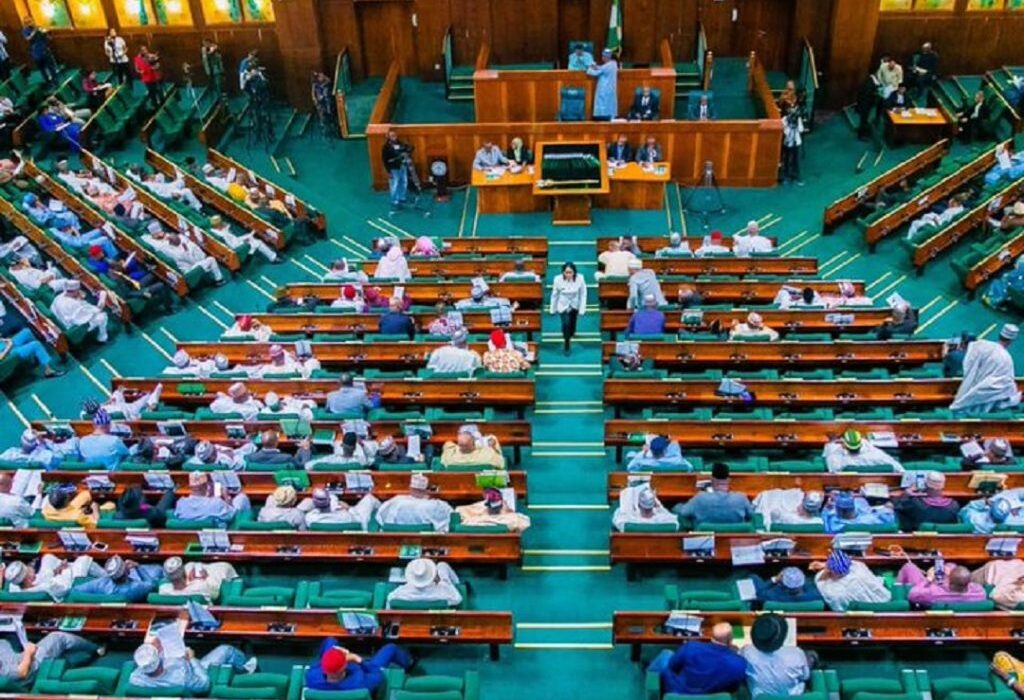
Proceedings at the House of Representatives turned chaotic on Tuesday following sharp disagreements among lawmakers over a motion seeking to rescind the passage of the Electoral Act Amendment Bill.
The controversy erupted during plenary when Francis Waive, Chairman of the House Committee on Rules and Business, moved a motion urging the chamber to reverse its decision on the amendment earlier passed on December 23, 2025.
When the Speaker, Tajudeen Abbas, put the motion to a voice vote, the chamber responded with a chorus of “ayes” and “nays.” However, the “nays” appeared louder. Despite this, the Speaker ruled in favour of the “ayes,” prompting immediate protests from several lawmakers who objected to the decision.
Shouts and heated exchanges followed as members accused the presiding officer of disregarding the will of the majority. In an attempt to restore order, Abbas called for an executive session, but the proposal was also met with resistance on the floor. Undeterred, the Speaker eventually moved the House into a closed-door executive session.
The tension stems from a key provision adopted when the Green Chamber passed the Electoral Act amendment in December.
The amendment mandates the real-time electronic transmission of election results from polling units to the Independent National Electoral Commission’s result viewing portal.
Specifically, the clause requires that the presiding officer electronically transmit results from each polling unit to the Independent National Electoral Commission Result Viewing Portal (IReV) immediately after Form EC8A has been signed and stamped by the presiding officer and, where available, countersigned by candidates or polling unit agents.
The provision is widely regarded as a measure aimed at strengthening transparency and credibility in Nigeria’s electoral process by reducing opportunities for manipulation between polling units and collation centres.
Tuesday’s disagreement suggests deep divisions within the House over the amendment and its implications. While supporters argue that rescinding the bill is necessary for further legislative review, opponents insist that reversing the decision could undermine public confidence in electoral reforms.
As of press time, no official explanation had been provided regarding the rationale behind the motion to rescind the earlier passage of the bill.
Political observers say the development could reignite national debate over electoral transparency and legislative procedure, especially as the country continues to refine its electoral framework ahead of future polls.