


Israeli Forces Kill 10 in Overnight Gaza Attacks
Israeli Forces Kill 10 in Overnight Gaza Attacks
By 𝔸bdulrazak Tomiwa
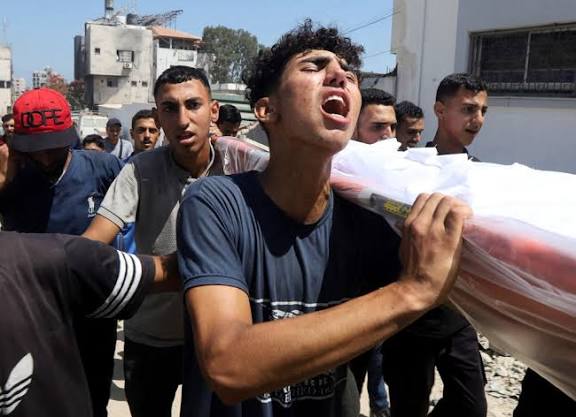
Israeli forces have killed at least 10 Palestinians, including a four-year-old girl and two infants. These strikes targeted various residential areas, pushing the total death toll since October 2023 beyond 71,800.
The continued bombardment further intensifies the humanitarian crisis within the besieged enclave.
Despite the recent reopening of the Rafah crossing, Israeli authorities allowed only 16 patients and their relatives to leave Gaza for medical care.
This highly restricted movement has drawn sharp criticism from health officials and international observers.
Thousands remain in dire need of specialized treatment that is currently unavailable inside the strip.
Diplomatically, Prime Minister Benjamin Netanyahu met with US envoy Steve Witkoff in Jerusalem to discuss the ongoing conflict. While specifics were not fully disclosed, the meeting occurred amid mounting international pressure for a ceasefire.
These talks highlight the complex and often strained coordination between Israel and its primary ally.
Tensions also escalated in the occupied West Bank, where Israeli forces shot and killed a young Palestinian man during a raid in Jericho.
The operation, which occurred Tuesday evening, also left several others wounded. Such frequent military incursions continue to broaden the scope of the conflict beyond the Gaza border.
Internal conflict surfaced within Human Rights Watch as two top researchers resigned in protest over censored reporting. They alleged the organization blocked a report defining Israel’s denial of the Palestinian right of return as a “crime against humanity.”
This rift underscores the intense debate surrounding the legal characterization of the war.
The director of Al-Shifa Hospital highlighted the lethal stakes of the current border restrictions on medical transport. Emphasizing the gravity of the blockade, the official stated, “blocking medical evacuations through Rafah crossing could be ‘death sentence’ for many.”
This warning reflects the urgent necessity for expanded humanitarian access to save lives.