


Nigeria Set to Become Africa’s Hub for Electric Vehicle Manufacturing
Nigeria Set to Become Africa’s Hub for Electric Vehicle Manufacturing
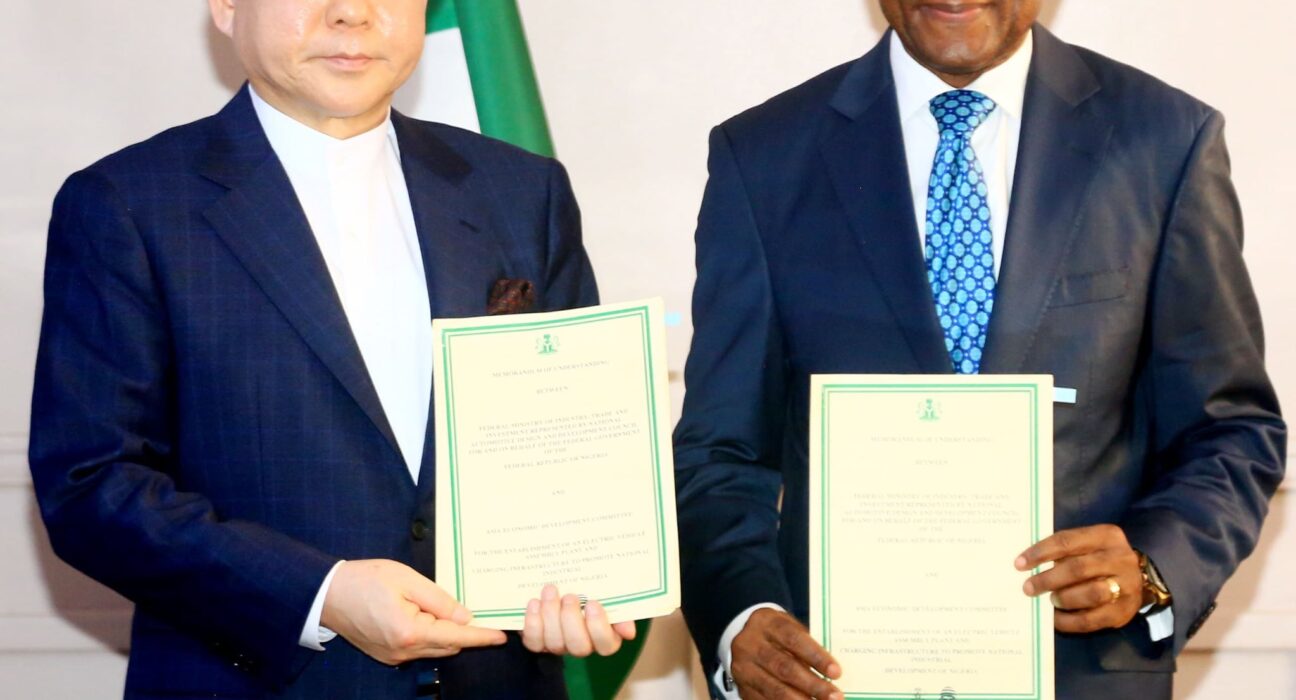
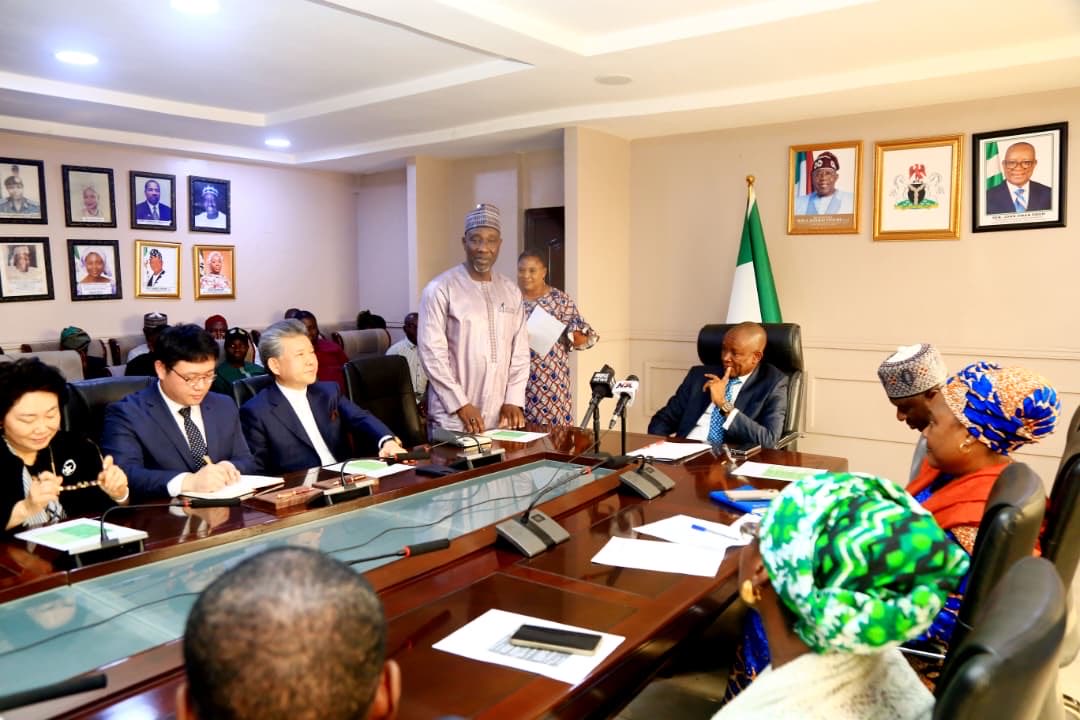
The Federal Government of Nigeria formalized a partnership on January 30, 2026, to establish the nation as Africa’s leader in Electric Vehicle (EV) production. Senator John Enoh, Minister of State for Industry, signed a Memorandum of Understanding (MoU) with South Korea’s Asia Economic Development Committee (AEDC). The agreement outlines the construction of a state-of-the-art manufacturing plant and the development of a comprehensive nationwide charging network.
This landmark collaboration directly supports Nigeria’s National Energy Transition Plan (ETP) and the National Automotive Industry Development Plan (NAIDP).
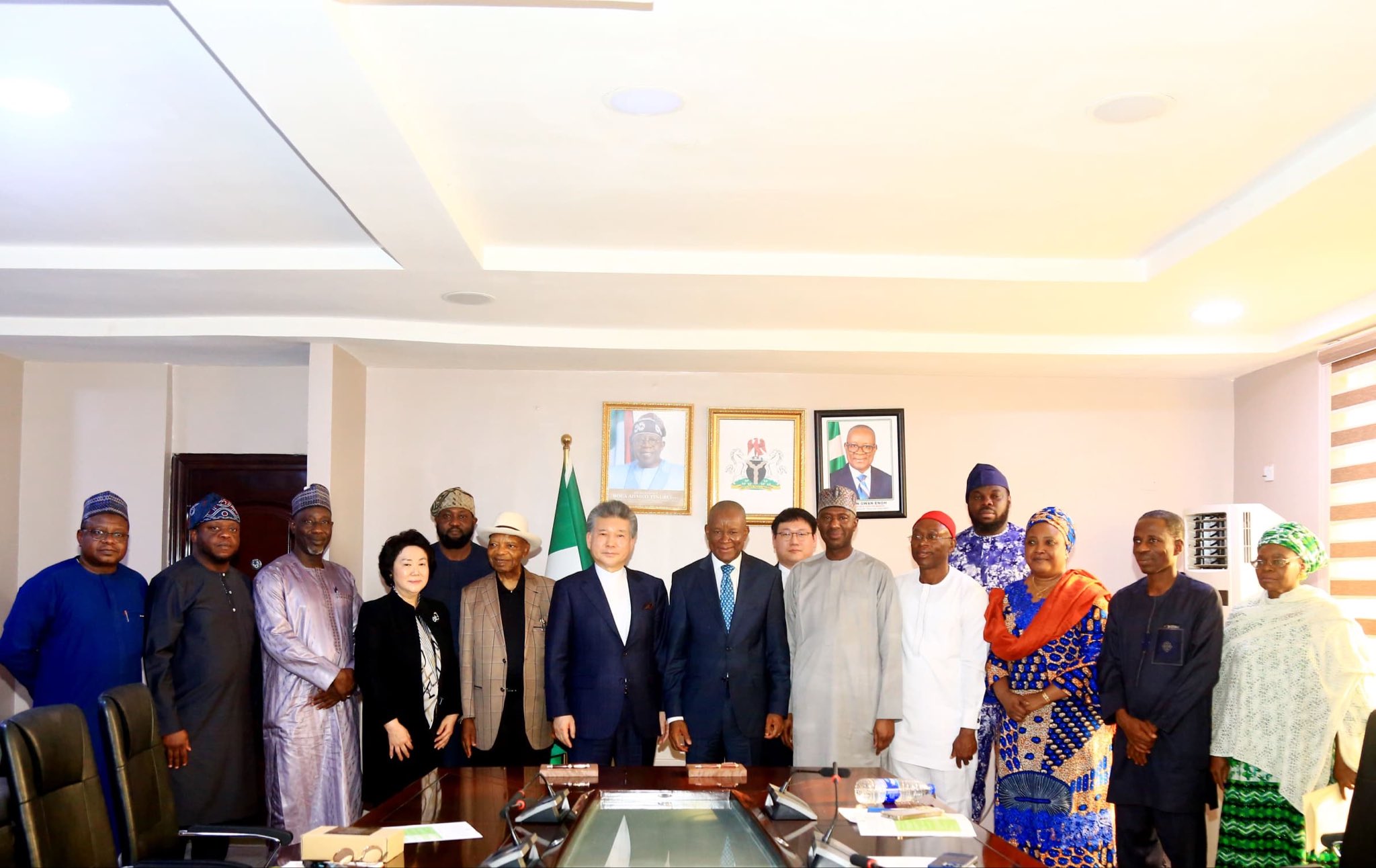
By aligning these policies, the government intends to drive green energy adoption while modernizing the domestic automotive sector.
The partnership represents a strategic pivot toward sustainable transportation and a reduced reliance on traditional fossil fuels.
The project will follow a phased implementation strategy, moving from initial vehicle assembly to full-scale in-house manufacturing. At peak operations, the facility is expected to produce 300,000 vehicles annually, significantly boosting local supply.
Additionally, the venture is projected to create 10,000 jobs, providing a substantial lift to the national economy and the industrial labor force.
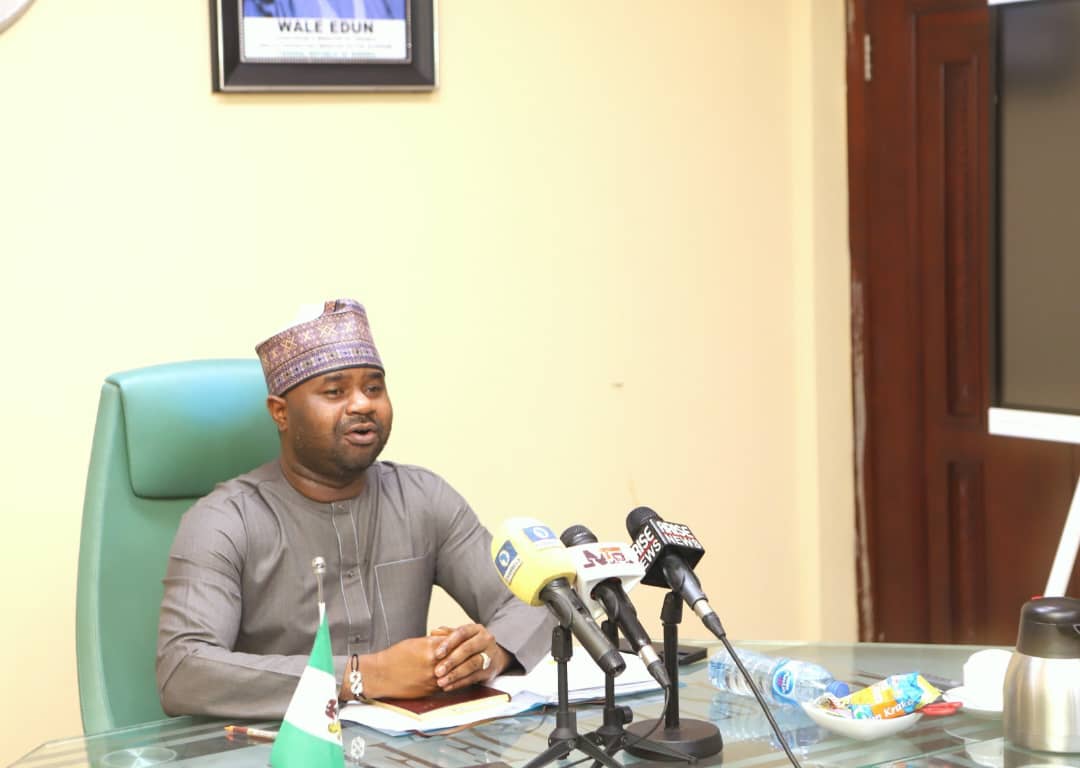
Representing the National Automotive Design and Development Council (NADDC), Mr. Nura Sidi emphasized that the initiative will act as a catalyst for rapid technology transfer. By collaborating with South Korean experts, Nigeria aims to foster indigenous research, design, and innovation.
This ensures the country becomes a hub for technical expertise rather than just an assembly point for foreign goods.
Beyond manufacturing, the deal focuses on human capital development and attracting foreign direct investment. Specialized training programs will be established to equip Nigerian engineers with the skills needed for the EV era. These efforts are designed to build a competitive, self-sustaining ecosystem that integrates local talent with global technological standards.
Ultimately, this venture secures Nigeria’s position as a pioneer in Africa’s green industrial revolution. By combining local manufacturing with sustainable infrastructure, the nation is set to enhance its global competitiveness and economic resilience.
This move marks a definitive step toward a cleaner, more industrialized future for all Nigerians.