

Abia State Now Free From National Grid Collapse, Says Governor Alex Otti
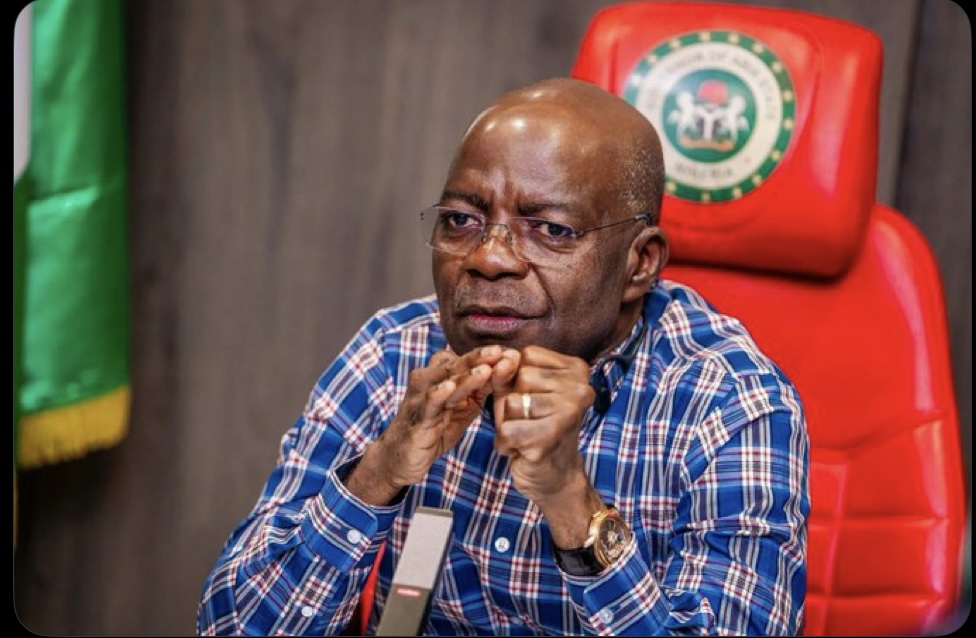
Abia State Governor, Dr. Alex Otti, has declared that the state is no longer affected by the recurring collapses of Nigeria’s national electricity grid, following ongoing reforms and investments in alternative and locally controlled power sources
The governor made the announcement while highlighting the state’s progress in achieving greater energy independence through renewable energy projects and power sector restructuring. According to him, Abia has strengthened its electricity supply system by reducing reliance on the national grid and expanding the use of independent and sustainable energy solutions As part of these efforts, the state has introduced renewable power initiatives, including a biogas project that converts organic waste into electricity. The initiative is designed to improve power stability while promoting environmental sustainability by turning waste into clean energy for households, businesses, and key public facilities Governor Otti also revealed that Abia has taken over electricity regulation from the Nigerian Electricity Regulatory Commission (NERC), transferring authority to the Abia State Electricity Regulatory Authority. This move gives the state greater control over electricity generation, distribution, pricing, and service standards, allowing for more efficient power management tailored to local needs. In addition, the state government has reached strategic agreements with the Enugu Electricity Distribution Company (EEDC) to restructure electricity supply within designated ring-fenced areas. The administration is also working to acquire critical power assets in the Umuahia zone to guarantee a more reliable and uninterrupted power supply. Otti noted that during recent national grid collapses that plunged many parts of Nigeria into darkness, some areas of Abia continued to enjoy stable electricity due to the state’s growing independent generation capacity He described the power reforms as part of a broader plan to stimulate economic growth, support businesses, and improve the quality of life for residents. Reliable electricity, he said, remains central to attracting investment, boosting productivity, and reducing operating costs for small and medium-scale enterprises. Energy analysts say Abia’s strategy reflects a broader shift among Nigerian states exploring decentralized and renewable energy models to address the country’s longstanding electricity challenges. With frequent grid failures continuing to disrupt economic activity nationwide, Abia’s approach could serve as a blueprint for other states seeking sustainable and resilient power solutions.