

2026 Budget of N58.4 Trillion Scales Second Reading in Green Chambers
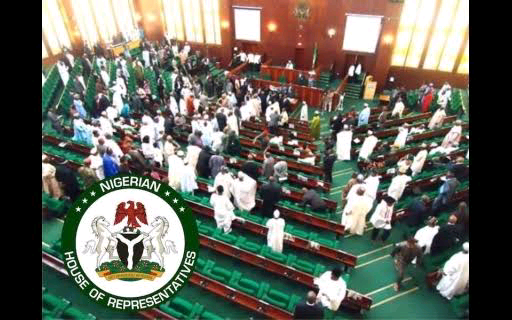
The House of Representatives on Thursday passed the 2026 Appropriation Bill for second reading, with the measure advancing without debate during plenary.
The session, presided over by Speaker Abbas Tajudeen, saw no contributions from lawmakers on the general principles of the bill, despite the scale of the proposed expenditure. The budget, tagged “Budget of Consolidation, Renewed Resilience and Shared Prosperity,” was presented to a joint sitting of the National Assembly by President Bola Tinubu in December.
The proposal seeks authorisation to withdraw N58.4 trillion from the Consolidated Revenue Fund of the Federation to finance government activities for the 2026 fiscal year.
Although budgets of such magnitude typically attract extensive deliberation, the House proceeded with the second reading following a closed-door meeting by lawmakers that lasted nearly an hour before plenary resumed.
Only the House Leader, Prof. Julius Ihonvbere, addressed the chamber. In his remarks, he highlighted recent economic indicators, stating that the economy recorded 3.98 per cent growth ahead of the budget presentation. He added that inflation had moderated while foreign investment and export volumes had improved.
Ihonvbere said the budget aims to strengthen macroeconomic stability, boost revenue generation, invest in human capital development and manage existing debt obligations.
He also noted that the administration had not resorted to printing new currency since assuming office, attributing this to improved economic stability, alongside external reserves reportedly at a seven-year high of $47 billion.
He urged lawmakers to support the proposal, describing it as an opportunity for collaboration between the executive and legislature toward sustainable national development.
Following his presentation, the Speaker called for further contributions, but no member indicated interest. The House thereafter adopted the motion for second reading and referred the bill to the Appropriation Committee for detailed consideration.
The chamber was subsequently adjourned for two weeks to allow relevant committees to conduct further work on the budget.