
Musawa Warns APC Against Changing Muslim–Muslim Ticket in 2027
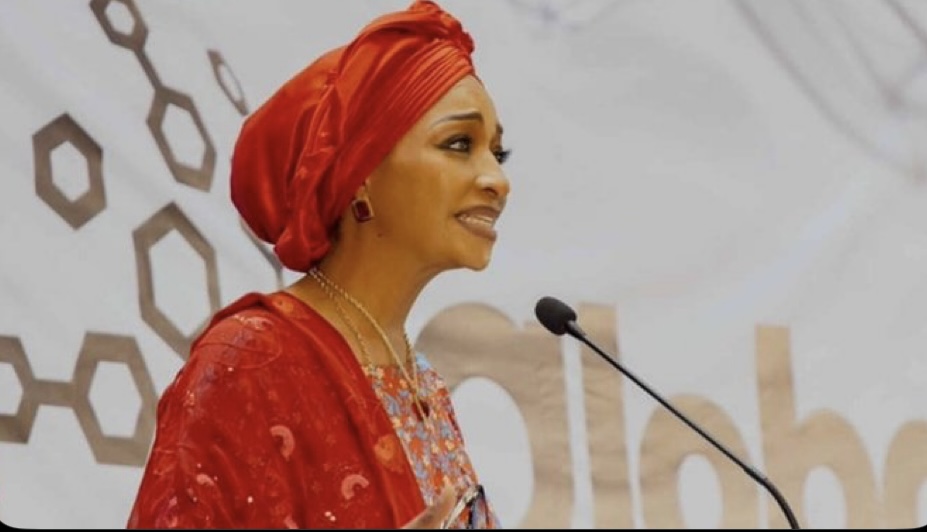
Nigeria’s Minister of Art, Culture, Tourism and Creative Economy, Hannatu Musawa, has cautioned the All Progressives Congress (APC) against making changes to the current Muslim–Muslim presidential ticket, warning that such a move could weaken the party’s political strength ahead of the 2027 general election.
Musawa issued the warning amid growing speculation within political circles that the ruling party may consider reshaping President Bola Ahmed Tinubu’s re-election ticket, including the possibility of replacing Vice President Kashim Shettima in an attempt to address concerns about religious and regional balance. Speaking during an appearance on Mic On Show, a podcast hosted by journalist Seun Okinbaloye, the minister described any plan to alter the existing ticket as politically risky and potentially damaging to the APC’s support base, particularly in Northern Nigeria. According to Musawa, retaining a Northern Muslim on the presidential ticket is critical to maintaining the confidence and loyalty of voters in the North, where religion, ethnicity, and regional identity play a significant role in electoral decisions. “If we toy with changing the construct of what we have now, it is a problem. If there is no Hausa, Fulani, or Kanuri Muslim on that ticket, it creates a hurdle. That’s the reality of the way the people think,” she said. She argued that Northern voters are highly politically aware and deeply engaged in the democratic process, adding that elections are viewed in the region as a major opportunity to influence governance and national direction. Politics in the North is a way of life. People wait every four years to line up and vote because that is where they feel they have influence,” Musawa noted. The minister, who hails from Katsina State, emphasized that political consciousness in rural and urban Northern communities remains strong, with many residents actively following national and global political developments through radio, community discussions, and civic participation. Musawa described calls to modify the Muslim–Muslim ticket as disconnected from political realities in the North, warning that misjudging voter sentiment could cost the APC significant electoral ground in its traditional strongholds across states such as Kano, Katsina, Kaduna, Jigawa, Sokoto, Zamfara, and Kebbi. Beyond internal APC debates, Musawa also downplayed the threat posed by opposition parties, arguing that they remain fragmented and lack the unity required to mount a formidable challenge in 2027. She dismissed the likelihood of a strong opposition coalition, describing the political space as overcrowded with ambitious figures competing for power rather than working toward a cohesive electoral strategy. Musawa expressed skepticism about the potential effectiveness of a proposed Atiku Abubakar–Peter Obi alliance, citing leadership rivalry and regional voting patterns as factors that could limit their nationwide appeal. While acknowledging Atiku’s political influence, she questioned whether Obi could mobilize sufficient support in the North to pose a serious electoral threat. The minister also played down concerns that former Kaduna State Governor Nasir el-Rufai could significantly undermine APC’s support in the North-West, stating that she does not believe he possesses the political influence to erode President Tinubu’s voter base in the region. As political maneuvering intensifies ahead of the 2027 elections, Musawa’s remarks highlight ongoing strategic debates within Nigeria’s ruling party over religion, regional balance, and voter loyalty. Her warning underscores the sensitive role that identity politics continues to play in shaping electoral outcomes and the complex calculations parties must navigate in a deeply diverse political landscape.