



Currency Outside Banks Hits All-Time High of ₦5.4 Trillion, Says CBN
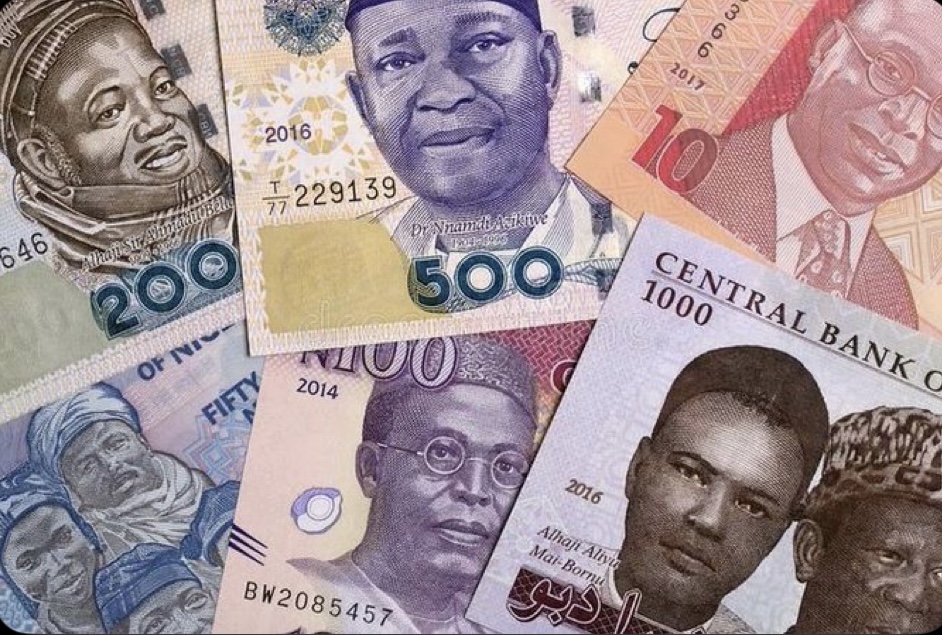
Currency held outside Nigeria’s banking system has climbed to a record ₦5.4 trillion, reflecting a sharp rise in cash usage amid economic pressures and lingering concerns over banking reliability.
According to the latest Money and Credit Statistics released by the Central Bank of Nigeria (CBN), currency outside banks increased by 10.2% month-on-month in December 2025, rising from ₦4.9 trillion in November. The figure now accounts for over 93% of total currency in circulation, which stood at ₦5.7 trillion at the end of the period The surge highlights a growing preference for physical cash despite Nigeria’s ongoing push toward a cashless economy and the expansion of electronic payment channels. Financial analysts attribute the trend to high inflation, naira depreciation, transaction failures on digital platforms, and the dominance of the informal sector, where cash remains the primary medium of exchange. Experts note that many households and small business owners are keeping more cash on hand to manage rising living costs, avoid banking delays, and ensure immediate access to funds in an uncertain economic environment. The CBN report also shows that Nigeria’s broad money supply (M2) rose to ₦124.4 trillion in December 2025, up from ₦122.9 trillion in November, indicating increasing liquidity in the financial system. Narrow money (M1) climbed to ₦42.14 trillion, while demand deposits expanded to ₦36.7 trillion. In addition, credit to the federal government grew by 29.5% to ₦34.2 trillion, while private sector credit rose to ₦75.8 trillion, suggesting increased borrowing activity and sustained economic engagement despite ongoing macroeconomic challenges. Economists warn that the rising volume of cash outside the banking system could weaken monetary policy effectiveness, reduce bank deposits, and complicate efforts by the CBN to control inflation and manage liquidity. They have urged authorities to strengthen public confidence in financial institutions, improve the reliability of digital payment systems, and deepen financial inclusion, particularly in rural and informal communities, to curb excessive reliance on cash. As Nigeria enters 2026, analysts caution that unless economic stability improves and trust in banking systems increases, cash hoarding may continue to rise, posing long-term risks to financial sector efficiency and monetary control.