

South East Leads in Vote-Buying Prevalence During 2023 State Elections
South East Leads in Vote-Buying Prevalence During 2023 State Elections
A recent data analysis citing reports from the Center for Development and Democracy (CDD West Africa), has revealed a troubling trend in Nigeria’s democratic landscape.
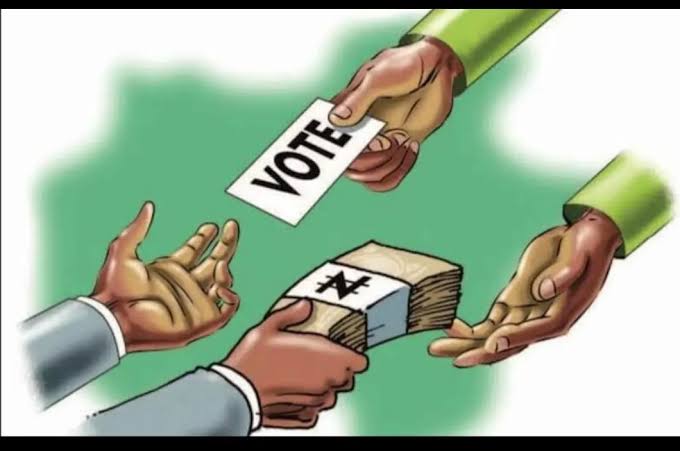
According to the findings, the South East geopolitical zone recorded the highest prevalence of vote-buying during the 2023 state-level elections. Observers in this region reported seeing voters offered cash or material inducements at a rate of 41.44%, nearly double the national average in some other regions, highlighting a significant challenge to electoral integrity in the area.
The North West region followed closely behind, recording a vote-buying prevalence of 35.42%. These figures suggest that in more than one out of every three polling units in these northern and eastern belts, the democratic process was shadowed by financial influence.
Analysts point to intense local rivalries and the strategic importance of key states in these zones as primary drivers for the high stakes and high costs associated with securing gubernatorial and state assembly seats.
In contrast, the North Central zone emerged as the region with the lowest recorded prevalence, sitting at 10.23%. While still indicative of an underlying issue, the significantly lower percentage in this belt, along with the North East’s 15.50%, provides a sharp contrast to the southern and northwestern trends.
This regional disparity suggests that while the “stomach infrastructure” phenomenon is a national concern, its manifestation is heavily influenced by local political cultures and the effectiveness of civil society monitoring.
The “Southern” belts, comprising the South West and South South, occupied the middle ground of the report. The South West recorded a 24.87% prevalence, while the South South followed at 22.97%. These statistics reflect a persistent “cash-and-carry” culture that has become institutionalized in Nigerian politics over the last two decades.
Despite the introduction of the Bimodal Voter Accreditation System (BVAS) intended to curb rigging, the data shows that political actors simply shifted their focus toward direct voter inducement at the polling units.
Experts from the CDD have noted that the 2023 elections were particularly susceptible to these malpractices due to widespread economic hardship and the “naira scarcity” crisis that preceded the polls. Many voters, facing severe financial pressure, were more vulnerable to immediate material rewards.
This transactional approach to voting not only distorts the will of the people but also undermines long-term accountability, as elected officials may feel they have “purchased” their mandate rather than earned it through service.
As Nigeria looks toward future electoral cycles, this data serves as a critical call to action for the Independent National Electoral Commission (INEC) and security agencies. Civil society groups are calling for stricter enforcement of the Electoral Act, specifically targeting the financial godfathers who fund these inducements. Reducing vote-buying from its current highs in the South East and North West will require a multi-faceted approach involving both aggressive legal prosecution and intensive nationwide voter education to restore the sanctity of the ballot.