



Florida Activates Capital Punishment for Child Rape
Florida Activates Capital Punishment for Child Rape
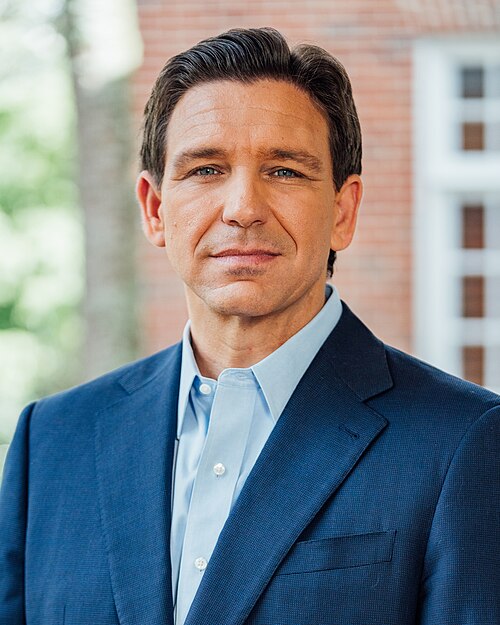
Florida Governor Ron DeSantis has signed a law authorizing the death penalty for adults convicted of sexual battery against children under 12.
This 2023 legislation (HB 1297) is a calculated challenge to the U.S. Supreme Court’s 2008 ruling in Kennedy v. Louisiana, which prohibited capital punishment for non-homicide crimes.
The state aims to force a judicial review, hoping the current conservative court will overturn that precedent.
The Governor argues that such heinous crimes represent a “moral death” for the victim, justifying the state’s harshest penalty.
This move coincides with Florida’s recent shift to non-unanimous jury recommendations, where only eight out of twelve jurors are needed to recommend an execution. DeSantis maintains that these measures prioritize child safety and ensure that repeat predators face permanent incapacitation.
Opponents and legal scholars warn that the law is facially unconstitutional and violates the Eighth Amendment’s ban on cruel and unusual punishment.
Critics also fear the law may have unintended consequences, such as discouraging victims from reporting family members or incentivizing offenders to kill witnesses to avoid the death penalty.
They argue the state should focus on rehabilitation and prevention rather than “medieval” sentencing.
Currently, several “test cases” are working their way through the Florida judicial system, including high-profile prosecutions in Jacksonville and Lake County.
These cases are the first in nearly 20 years to seek execution for a non-homicide offense. The legal community expects these trials to trigger a series of appeals that will ultimately reach the U.S. Supreme Court to decide the law’s validity.
Florida’s legislative push has sparked a trend, with states like Tennessee, Idaho, and Oklahoma passing similar statutes. This collective action aims to demonstrate a “new national consensus” on sentencing, a factor the Supreme Court considers when evaluating “evolving standards of decency.” If enough states join Florida, it strengthens the legal argument that public sentiment regarding capital punishment has shifted.
As 2026 progresses, the fate of these laws remains tied to impending rulings from the Constitutional Court.
The outcome will redefine the boundaries of state power and individual rights across the country. Whether upheld or struck down, Florida’s stance has already fundamentally altered the national debate on criminal justice and the protection of minors.