

Senegal Revokes Arthur Eze’s Atlas Oranto Offshore Licence Over Breaches
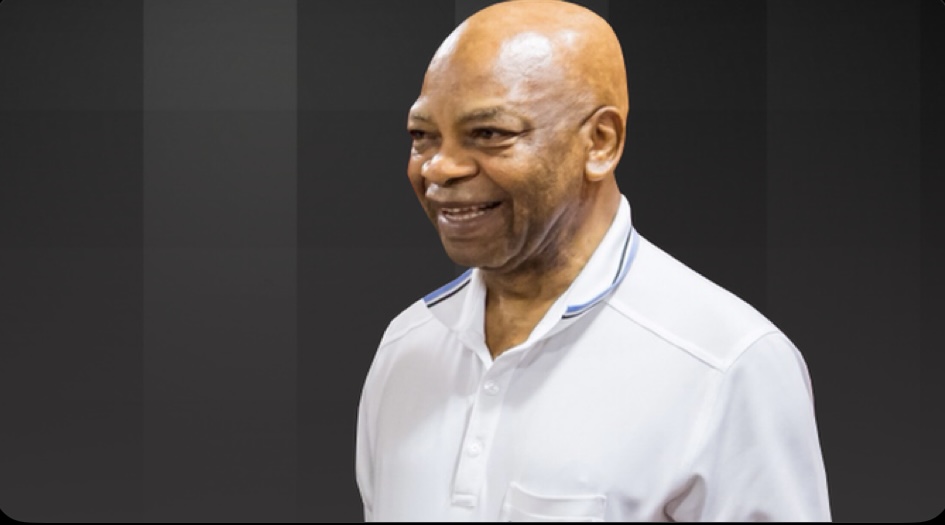
In a decisive move aimed at enforcing stricter regulatory oversight in the oil and gas sector, the Senegalese government has revoked the offshore exploration licence held by Nigerian billionaire, Arthur Eze’s Atlas Oranto Petroleum.
The licence covered the Cayar Offshore Shallow block, an area of approximately 3,600 square kilometres north of the Dakar peninsula, which had been awarded to the company in 2008 According to Senegal’s energy authorities, Atlas Oranto Petroleum failed to meet key contractual obligations, including the submission of mandatory bank guarantees and the commencement of substantial exploration activity. Despite repeated extensions over more than a decade, the company conducted minimal seismic surveys or drilling operations, a breach the government says is unacceptable given the block’s strategic importance and oil prospects The formal revocation of the licence, which was finalized in September 2025 but widely reported in early 2026, reflects Senegal’s commitment to ensuring that exploration rights are translated into tangible investment and production rather than remaining idle. Minister of Energy, Birame Souleye Diop, highlighted that the decision was necessary to protect national interests and uphold transparency and accountability in the sector. This action is part of our broader efforts to modernize and strengthen governance in Senegal’s hydrocarbons sector,” Minister Diop said. “We expect all operators to comply fully with the terms of their contracts, provide the required financial guarantees, and actively pursue exploration and development activities. Senegalese authorities stressed that the revocation sends a strong signal to other licence holders in the region that non-performance will no longer be tolerated. Analysts note that the move aligns with a wider trend in African oil and gas policy, where governments are increasingly rejecting “speculative licence holding,” a practice in which companies retain exploration rights without making meaningful progress toward development. Observers also point to a contrast with Atlas Oranto’s operations in other African countries, such as Liberia, where licences have been maintained despite similar concerns about financial guarantees and operational progress. Senegal’s firm stance underscores a shift toward performance-based accountability in the region. While Atlas Oranto Petroleum has not publicly responded to the revocation, industry analysts suggest that the company may face challenges in securing similar licences in the future without demonstrating financial and operational capacity. The Senegalese government now holds full control of the Cayar Offshore Shallow block and may re-offer it to operators with the technical expertise and financial capability to advance exploration and potential production. The revocation is expected to have implications for investors in West Africa’s oil and gas sector, emphasizing the importance of compliance and execution in securing exploration rights. It also highlights Senegal’s determination to leverage its natural resources for national development, ensuring that blocks are actively developed to benefit the country’s economy. This decision is part of a broader effort by President Bassirou Diomaye Faye’s administration to enforce stringent regulations in the energy sector, prevent idle holdings of prospective oil blocks, and attract credible operators capable of delivering tangible results. Analysts say that this could ultimately enhance Senegal’s attractiveness to investors who value a transparent, performance-oriented regulatory environment As Senegal moves forward, the outcome of the Cayar Offshore Shallow block revocation will likely serve as a benchmark for other West African nations seeking to tighten oversight and ensure that exploration rights contribute meaningfully to national energy development goals.