

Journalists at Risk as Guinea-Bissau Junta Bans ‘Unauthorized’ Press Conferences
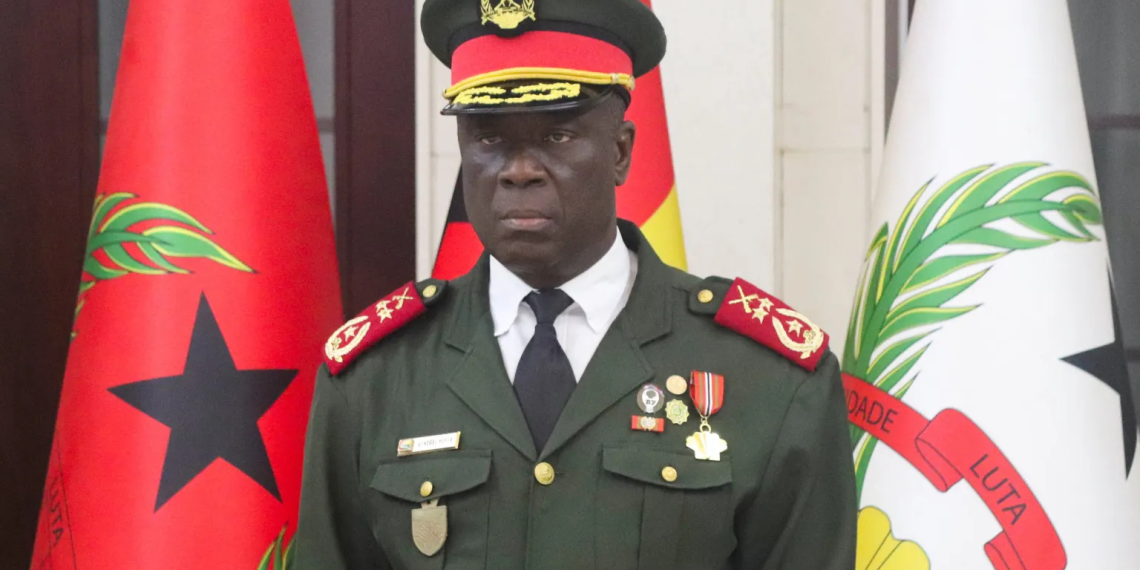
Journalists in Guinea-Bissau are facing growing threats to press freedom after the country’s military authorities issued an order banning “unauthorized” press conferences and public statements, drawing strong condemnation from international media watchdogs.
The Committee to Protect Journalists (CPJ) has called on the ruling military junta to immediately rescind the directive, warning that it could further endanger reporters and deepen repression in the West African nation following the junta’s seizure of power on November 26.
In a statement issued on January 9, the High Military Command declared that it is “expressly prohibited to hold any unauthorized press conferences or make any unauthorized public statements that jeopardize peace and social cohesion.”
The statement, reviewed by CPJ, warned that anyone who violates the order would be “severely reprimanded,” without clarifying what penalties such reprimands could entail.
CPJ Africa Program Coordinator Muthoki Mumo described the order as alarming, noting that vague national security justifications are often used by military regimes to suppress dissent and silence independent reporting.
“During times of political instability, freedom of expression and access to information must be protected to ensure that the public can make crucial decisions about their lives,” Mumo said. “It is alarming that the military junta in Guinea-Bissau is using vague national security justifications to run roughshod over these rights. Authorities must allow journalists to report freely.”
Local journalists say the directive has heightened fear within the media community, with many unsure of what constitutes an “unauthorized” statement or how strictly the order will be enforced.
Some reporters told CPJ that the climate has become increasingly hostile since the military takeover, with growing pressure to align coverage with the junta’s narrative.
Despite these risks, several journalists said they continue to attend and report on press conferences, arguing that backing down would amount to surrendering their professional independence.
“We need to defy the junta’s instructions to do journalism,” one journalist told CPJ on condition of anonymity. “Otherwise, we’ll only be covering their agenda.”
Guinea-Bissau has a long history of political instability and military interference in governance, with repeated coups and attempted coups since independence. Media advocates warn that restrictions on journalism during periods of transition not only undermine democratic principles but also deprive citizens of reliable information at a critical time.
CPJ urged Guinea-Bissau’s military leaders to respect international standards on freedom of expression and ensure that journalists can work without intimidation, harassment, or fear of punishment.
As the political situation remains uncertain, observers say the treatment of journalists will be a key test of whether the junta intends to allow space for accountability or further tighten its grip on public discourse.