


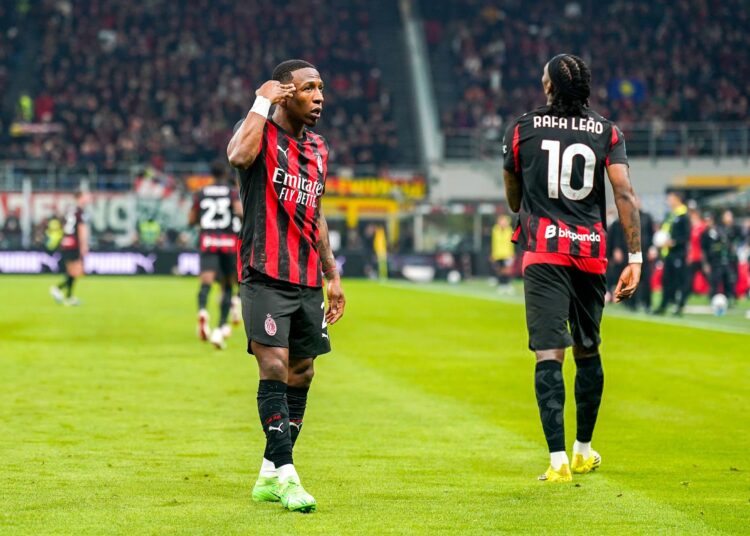
Senegal Declares Public Holiday After Historic AFCON Triumph
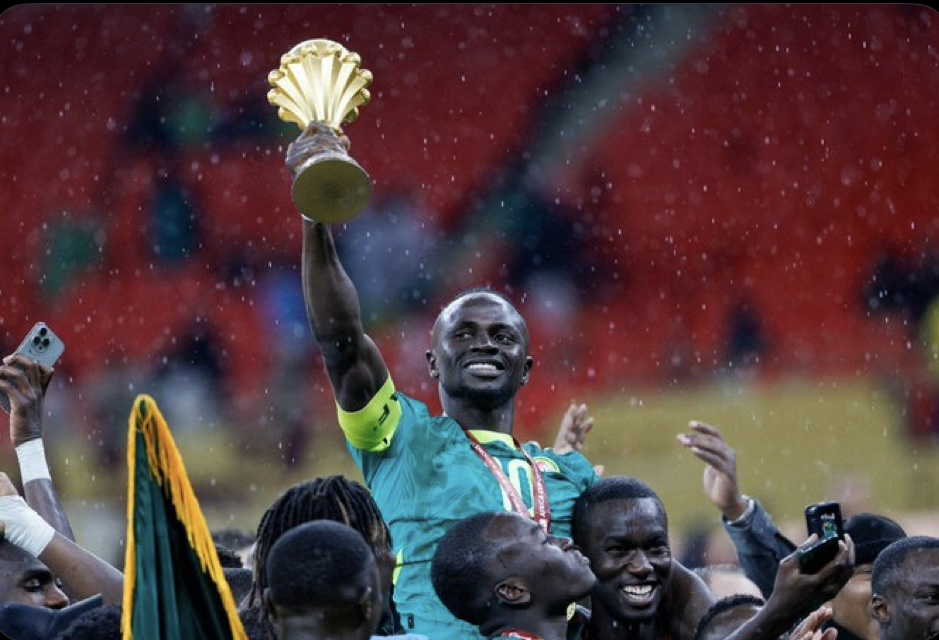
Senegal has declared a nationwide public holiday following the country’s victory at the Africa Cup of Nations (AFCON), as celebrations swept across the nation after the Teranga Lions clinched the continental title.
President Bassirou Diomaye Faye announced Monday, January 19, 2026, as a paid public holiday to allow citizens to celebrate the national team’s achievement. Government offices, schools and many businesses were shut for the day as Senegalese poured into the streets to mark the historic win. Senegal secured the AFCON 2025 title after a tense 1–0 victory over Morocco in the final played on Sunday night in Rabat. The decisive goal came in extra time, when Pape Gueye struck in the 94th minute to seal Senegal’s second AFCON crown, following their maiden triumph in 2021. Scenes of jubilation erupted across Dakar and other major cities, with fans waving national flags, setting off fireworks and singing late into the night. Many described the victory as a moment of unity and national pride, coming at a time when the country faces economic and social challenges. In a statement, President Faye praised the team’s determination and resilience, saying the players had “once again lifted the spirit of the nation and shown the strength of Senegalese unity through sport.” He added that the public holiday was meant to honour the players and allow citizens to fully share in the celebrations. The final itself was not without drama. A controversial penalty decision in favour of Morocco late in the match led to protests from Senegalese players, who briefly left the pitch before play resumed. Morocco missed the penalty, and Senegal went on to score the winning goal in extra time. African football authorities are expected to review the incidents from the match. Further celebrations are expected in the coming days, with plans underway for an official reception and victory parade when the team returns home. For many Senegalese, the AFCON victory has reinforced football’s powerful role as a source of national pride and collective joy.