FG Allocates Less than 1% of 2026 Budget to Fight Poverty
FG Allocates Less than 1% of 2026 Budget to Fight Poverty
The Federal Government of Nigeria has proposed N206.50bn for poverty alleviation in the 2026 budget, representing a mere 0.35% of the total N58.47tn spending plan.
This allocation accounts for only 0.89% of the capital budget, highlighting a stark disparity between the nation’s rising poverty rates and the fiscal resources dedicated to addressing them.
Over 96% of these funds are concentrated within the Service Wide Vote under the National Poverty Reduction with Growth Strategy (NPRGS).
This includes N100bn for the National Social Investment Programme and N100bn for recurrent allocations. Consequently, all other ministries combined have allocated just N6.50bn for direct, grassroots poverty-related initiatives.
Individual ministries show minimal direct investment; for example, the Ministry of Agriculture has earmarked only N140m for grain provision in specific local areas.
The Ministry of Special Duties has a nominal N9.1m budget, which is largely focused on administrative monitoring and evaluation rather than active intervention or wealth creation for the vulnerable.
While the Ministry of Humanitarian Affairs and Poverty Alleviation saw its budget surge by 232% to N23.56bn, much of this is dedicated to overhead. Substantial funds are directed toward office furniture, digital press facilities, and strategic communication equipment.
This shift suggests a focus on administrative infrastructure over direct financial or material aid.
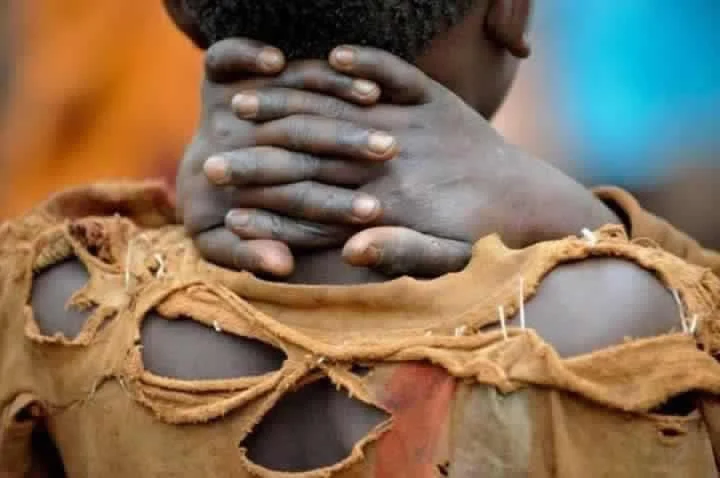
Economists warn that these figures are insufficient as Nigeria’s poverty rate is projected to hit 62% by 2026. The disconnect between the “Poverty Alleviation” label and actual spending priorities raises concerns that the budget lacks the necessary scale to provide a meaningful safety net for the millions of citizens facing economic hardship.
Ultimately, the 2026 proposal emphasizes administrative growth within the humanitarian sector rather than aggressive wealth redistribution. As the National Assembly reviews the bill, the marginalization of poverty-fighting funds remains a point of contention, questioning the effectiveness of the government’s broader growth and reduction strategies.