
Uganda Mounts Pressure to End Internet Blackout Before Election
Uganda Mounts Pressure to End Internet Blackout Before Election
Ugandan authorities have imposed a nationwide internet blackout just days before the presidential election scheduled for January 15, 2026. The Uganda Communications Commission (UCC) ordered service providers to suspend public access starting Tuesday evening, citing the need to prevent misinformation, electoral fraud, and potential violence.
This move follows the suspension of two prominent human rights groups earlier in the week.
The blackout has drawn sharp criticism from international observers and human rights organizations, who argue it undermines the transparency of the democratic process. The United Nations and other monitors have expressed concern over an environment of “widespread repression and intimidation.” Critics believe the shutdown is a tactic to prevent the opposition from organizing and to hide potential voting irregularities.
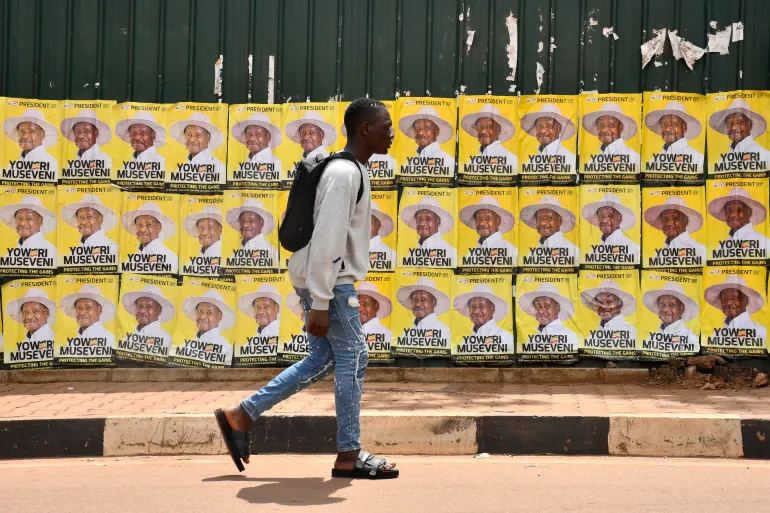
The election sees 81-year-old President Yoweri Museveni, who has been in power for 40 years, seeking a record seventh term. He is being challenged by pop star-turned-politician Bobi Wine, whose campaign has been marked by frequent arrests and violent clashes between security forces and supporters. This marks the second consecutive general election in which the Ugandan government has cut off digital communications.
While the government claims the measures are essential for national security, the disruption has severely affected daily life and the economy. Essential services like banking and hospitals remain connected via dedicated lines, but the general public is left without access to social media, messaging apps, and web browsing. Human rights groups continue to call for an immediate restoration of services to ensure a fair and open election.