
Rising Insecurity, Power Sector Woes and Policy Shifts Dominate National Discourse
Nigeria’s security challenges, democratic concerns, and economic pressures took centre stage across major national newspapers on Tuesday, reflecting a country grappling with multiple crises despite ongoing reforms.
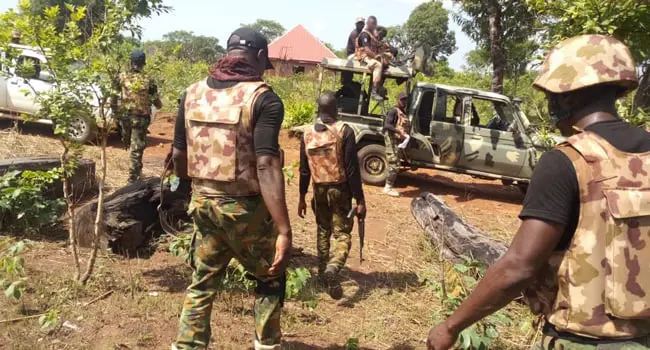
Fresh attacks by suspected terrorists in parts of Kwara, Katsina and Kaduna states dominated headlines, coming barely days after more than 40 people were reportedly killed in a violent incident in Niger State.
The renewed wave of kidnappings, which affected several victims including a photojournalist, has further heightened public anxiety over the persistent insecurity across the North-Central and North-West regions.
On the political front, former Vice President Atiku Abubakar raised concerns over what he described as shrinking democratic space under the current administration.
He cautioned that recent developments could weaken opposition parties and gradually tilt the nation towards a one-party structure, a situation analysts say could test Nigeria’s democratic resilience ahead of future elections.
Economic pressures in the power sector also drew attention, as regulators revealed that millions of electricity consumers are still without prepaid meters.
The Nigerian Electricity Regulatory Commission disclosed that over 5.3 million customers remain unmetered nationwide, exposing households and businesses to estimated billing practices that have long been a source of public complaints against electricity distribution companies.
Meanwhile, uncertainty continues to trail Nigeria’s oil and gas supply chain.
Despite recent regulatory changes and the inauguration of a new board in the sector, authorities confirmed that the country will continue importing petroleum products and crude oil in the short term.
Industry observers say the development underscores the slow pace of achieving self-sufficiency in local refining, even as reforms progress.
Financial strain within the electricity industry resurfaced following reports that the Federal Government is struggling to clear debts exceeding ₦4 trillion owed to power generation companies.
Data indicates that nearly ₦2 trillion was spent on electricity subsidies between October 2024 and September 2025, raising questions about the sustainability of current power pricing and subsidy policies.
In a related policy development, students across tertiary institutions have expressed support for newly introduced tax laws, stepping back from a planned nationwide protest earlier scheduled for January 14.
The leadership of the National Association of Nigerian Students said the decision followed deliberations at an expanded national executive council meeting in Abuja, where members resolved to engage in public sensitisation rather than confrontation.
Together, the reports reflect a nation at a crossroads, balancing security threats, democratic accountability, and economic reforms, while stakeholders across sectors weigh the costs and consequences of ongoing policy decisions.