

Drop ‘Unacceptable’ New Export Controls, Japan Charges Chain
Drop ‘Unacceptable’ New Export Controls, Japan Charges Chain
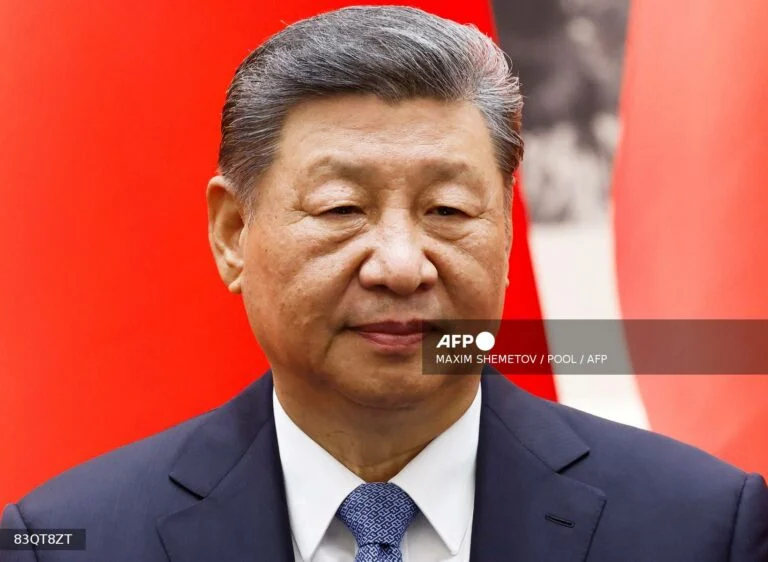
Japan has urged China to immediately revoke its newly implemented export controls on products with potential military applications, describing the measures as “absolutely unacceptable” and “deeply regrettable.”
This diplomatic clash intensified after the Chinese commerce ministry announced it would tighten restrictions on “dual-use items”—goods that serve both civilian and military purposes—specifically targeting exports bound for Japan.
In response, Masaaki Kanai, a high-ranking official within the Japanese Foreign Ministry, lodged a formal and strenuous protest with the Chinese embassy, arguing that Beijing’s actions deviate sharply from established international trade practices.
The tension appears rooted in recent geopolitical friction, particularly following statements from Japanese officials regarding the security of Taiwan and Japan’s own military expansion. China, which maintains a firm stance on its territorial claims over Taiwan, has viewed Tokyo’s recent policy shifts with increasing hostility.
Analysts suggest that these new export controls are a strategic move by Beijing to exert economic pressure in retaliation for Japan’s strengthening alignment with Western security interests.
A primary concern for Tokyo is the potential disruption to the supply of rare earth minerals, as Japan currently depends on China for more than 70% of its supply.
These minerals are indispensable for the production of advanced technology, ranging from consumer electronics like smartphones to sophisticated military hardware such as fighter jets.
Japan has spent over a decade attempting to diversify its supply chain following a similar export freeze in 2010, yet the country remains deeply vulnerable to Chinese trade policy.
The immediate impact of this announcement was felt in the financial sector, where Tokyo’s stock market dropped by more than one percent, reflecting widespread investor anxiety over a potential trade war between the two Asian giants.