


Real Reason US Invaded Venezuela Revealed
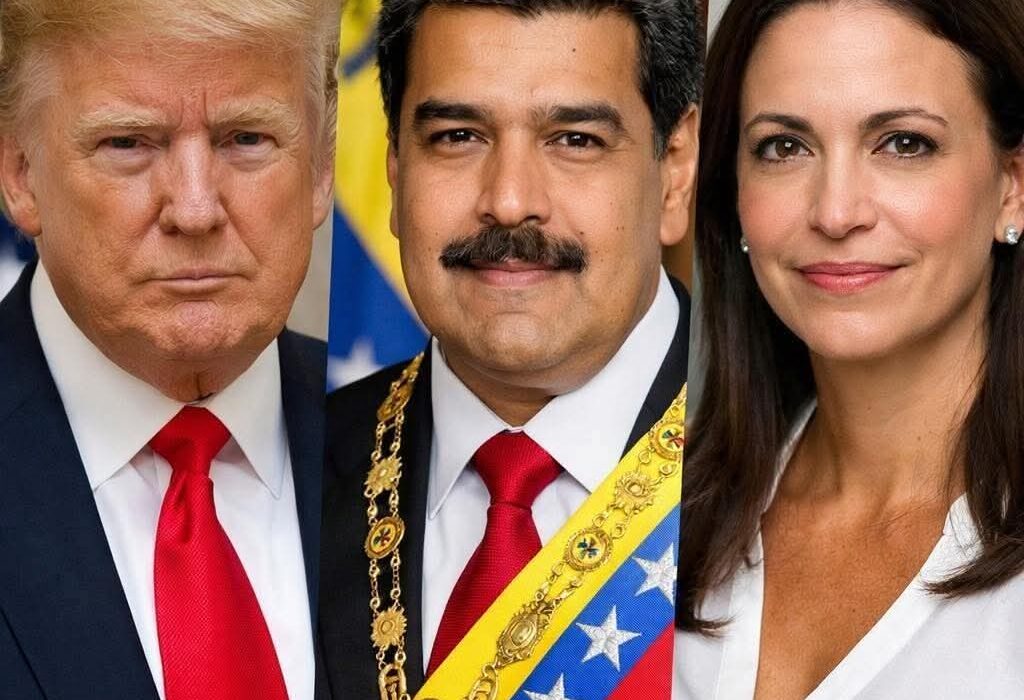
Real Reason US Invaded Venezuela Revealed
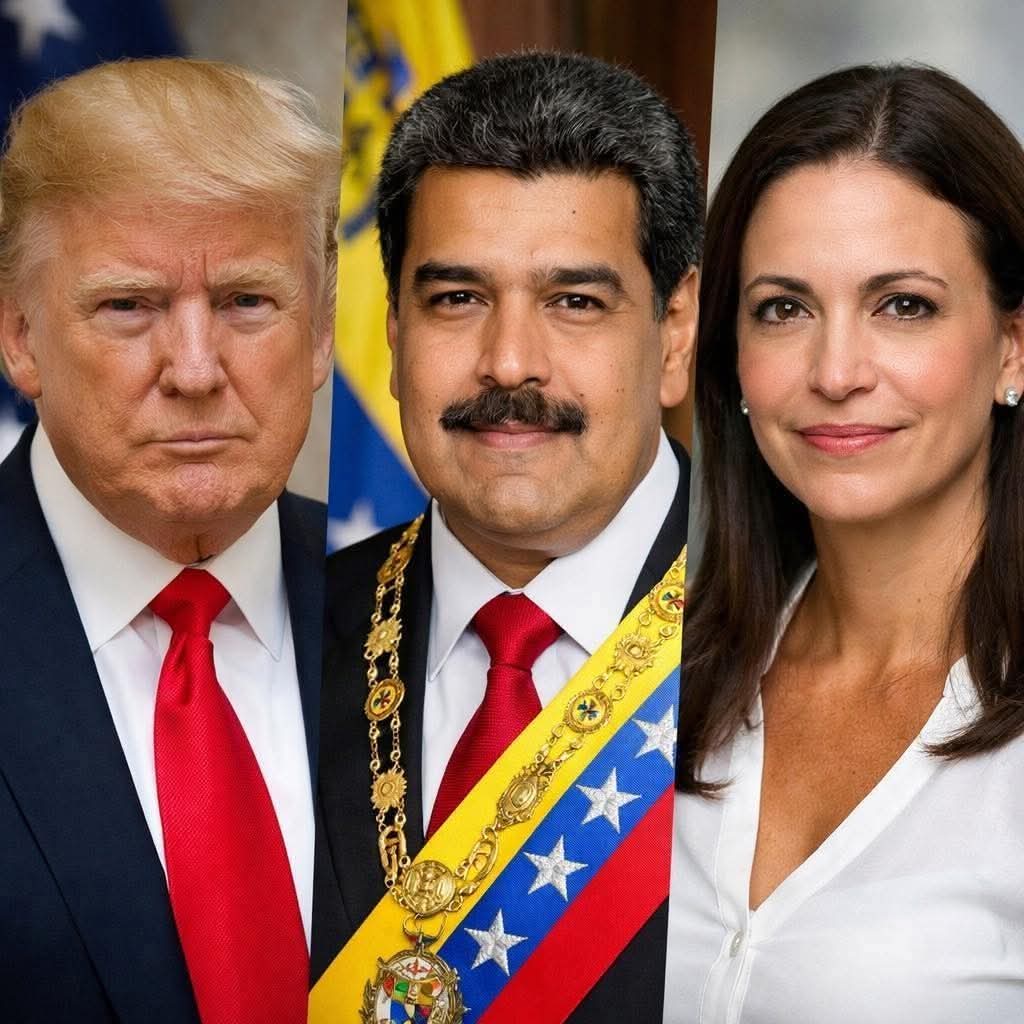
The survival of the United States as a dominant global economic power is inextricably linked to a 1974 agreement brokered by Henry Kissinger with Saudi Arabia.
This deal established the “petrodollar” system, mandating that global oil be priced and traded exclusively in US dollars in exchange for American military protection.
This arrangement created a permanent, artificial demand for the currency. Because every nation requires oil to function, every government is forced to stockpile US dollars. This allows the United States to print money and run massive deficits that would otherwise trigger hyperinflation in any other economy.
This economic hegemony is arguably more critical to US power than its fleet of aircraft carriers. It provides the necessary funding for the military, the welfare state, and the nation’s debt. When a country like Venezuela begins selling oil in Chinese yuan, euros, or rubles, it threatens the fundamental architecture of this entire financial system.
Venezuela holds 303 billion barrels of oil, representing the largest proven reserves on Earth. By moving away from the dollar, they aren’t just changing a trade policy; they are pulling the rug out from under the American economy. Historically, the pattern of US intervention aligns closely with these specific threats to dollar dominance.
In 2000, Saddam Hussein announced Iraq would transition its oil sales to euros. By 2003, the country was invaded, the regime was changed, and oil sales were immediately reverted to dollars. Similarly, in 2009, Muammar Gaddafi proposed a gold-backed “Gold Dinar” for African oil trade. Leaked emails later confirmed this was a primary driver for the 2011 NATO intervention.
Today, Venezuela presents a threat five times larger than Iraq and Libya combined. By bypassing the SWIFT system and petitioning to join the BRICS alliance, Venezuela is positioned to lead a global de-dollarization movement alongside Russia and Iran.
This shift would consolidate a massive portion of the world’s energy outside of US control.
The true motivation for recent escalations is becoming harder for officials to mask under the guise of “democracy.” In late 2025, US officials explicitly stated that Venezuelan oil assets represent “the largest recorded theft of American wealth.” They asserted that because US ingenuity originally created the industry, the resources effectively belong to America.
This rhetoric suggests that the current conflict is actually a “resource recovery” operation. As the BRICS bloc develops the “mBridge” project to settle trades in local currencies, the US recognizes a deadline. If Venezuela successfully integrates its reserves into this rival system, the petrodollar era—and the “unlimited” printing power of the US Treasury—will effectively come to an end.