
Israeli Strikes Risk Renewed Escalation Despite Ceasefire Efforts, Lebanon Warns
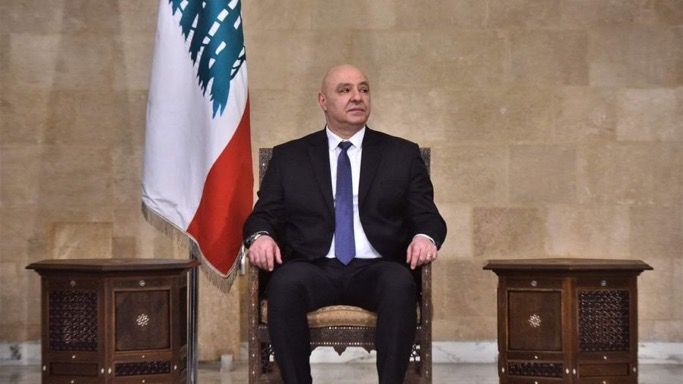
Lebanon’s President, Joseph Aoun, has warned that Israel’s latest military operations on Lebanese territory threaten ongoing efforts to contain tensions along the border, even as international and regional actors push to preserve a fragile ceasefire.
Aoun’s remarks followed a wave of Israeli airstrikes carried out on Monday across southern and eastern Lebanon, which Israel said targeted positions linked to Hezbollah and Hamas.
While some of the initial attacks were preceded by evacuation warnings in four villages, subsequent strikes, including one carried out in the early hours of Tuesday reportedly occurred without prior notice.
In a statement issued on Tuesday, the Lebanese president accused Israel of deliberately undermining de-escalation initiatives.
He said the repeated attacks were intended to “thwart all efforts made locally, regionally and internationally to stop the ongoing Israeli escalation,” despite what he described as Lebanon’s cooperation with those initiatives at multiple levels.
The Israeli military, however, defended the strikes, saying they hit infrastructure belonging to Hezbollah and Hamas in several locations across Lebanon.
According to the army, the targets included multiple weapons storage facilities and military structures, both above and below ground.
One of the most significant attacks struck the town of Ghazieh, near the southern coastal city of Sidon, early on Tuesday.
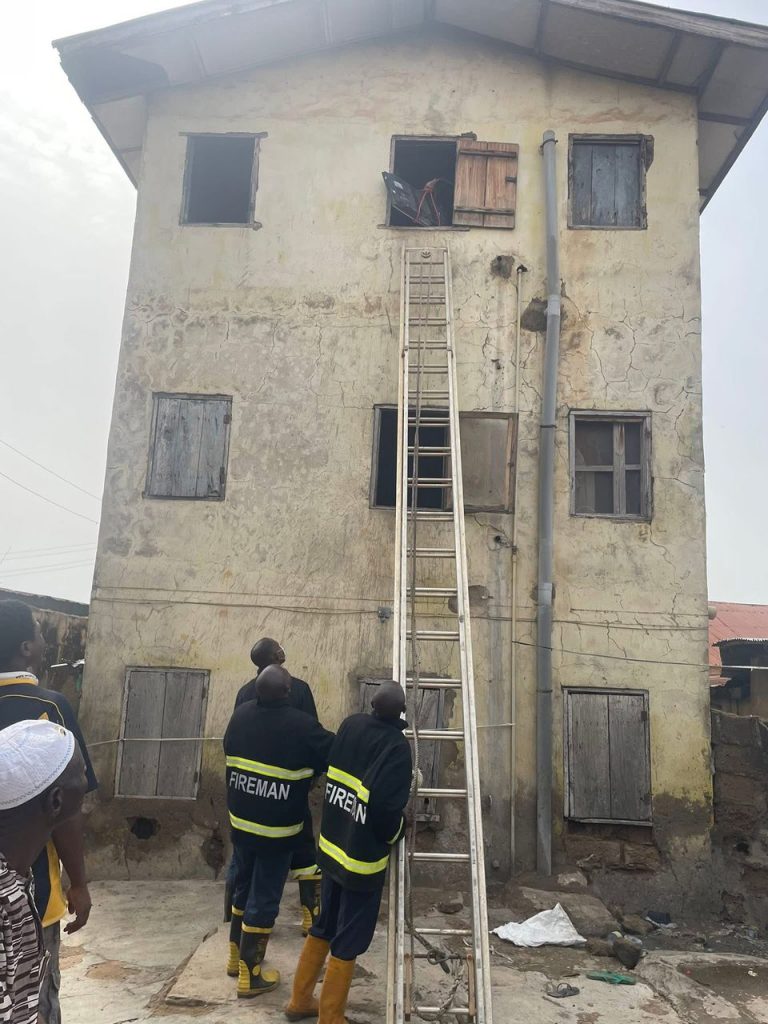
An AFP photographer reported that the strike destroyed a building, damaged nearby properties and triggered a fire that firefighters were deployed to extinguish.
The latest violence comes nearly a year after a ceasefire was reached between Israel and Hezbollah, yet Israeli strikes have continued intermittently.
Israel has consistently said its operations are aimed at preventing Hezbollah from strengthening its military capabilities, while Lebanon maintains that such actions violate its sovereignty and risk dragging the country into wider conflict.
Diplomatic activity is set to intensify in the coming days. The international committee overseeing the ceasefire, which includes representatives from the United States, France, Lebanon, Israel and the United Nations, is scheduled to meet on Wednesday to review the situation.
Meanwhile, Lebanon’s cabinet is expected to convene later this week to assess the army’s progress in disarming Hezbollah, a process initiated under strong US pressure and amid concerns that failure could prompt further Israeli military action.
The Lebanese army is expected to complete disarmament operations south of the Litani River, roughly 30 kilometres from the Israeli border, by the end of 2025, before expanding efforts nationwide.
Aoun reiterated confidence in the military’s role, saying the government’s plan to extend state authority south of the Litani River was being carried out “with professionalism, commitment and precision” by the Lebanese army.
Israel has repeatedly questioned the effectiveness of those efforts, accusing Hezbollah of rearming. On Sunday, Israeli Foreign Minister Gideon Saar described the current disarmament measures as far from adequate, underscoring the deep mistrust that continues to cloud prospects for lasting calm along the border.