


FG Vaccinates millions of Nigerians Against Measles, Yellow Fever, Says Minister
FG Vaccinates millions of Nigerians Against Measles, Yellow Fever, Says Minister
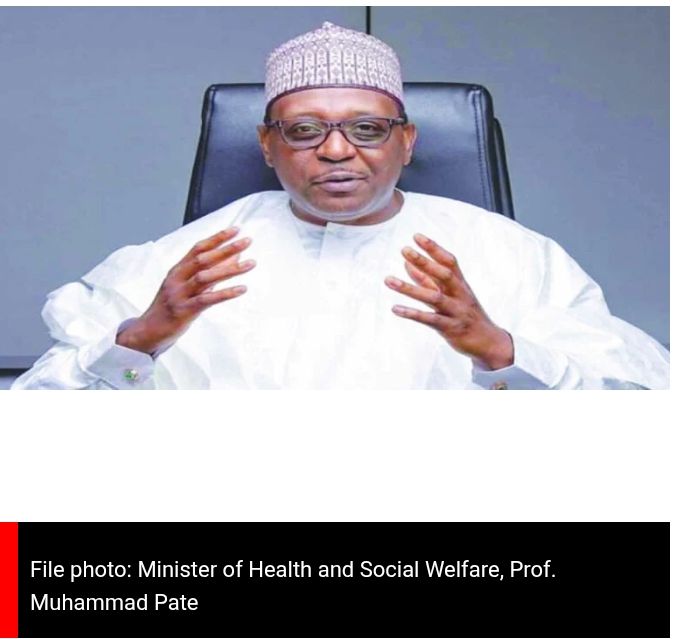
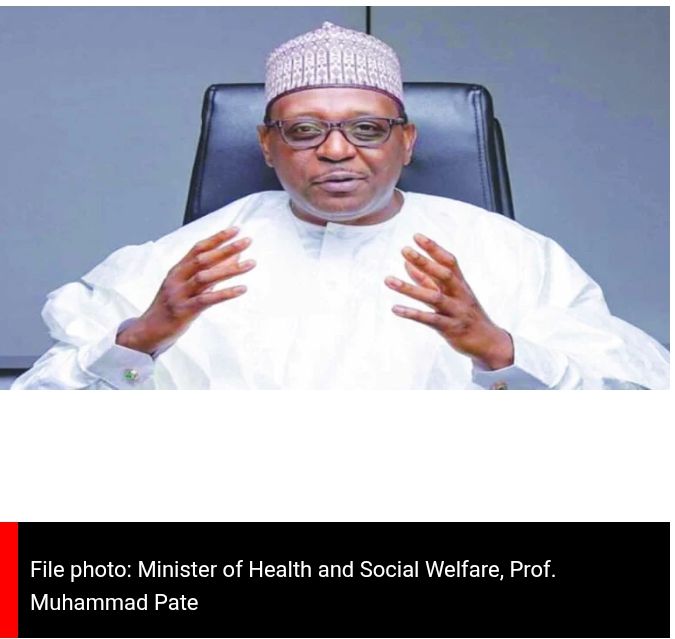
Prof. Muhammad Pate, the Coordinating Minister of Health and Social Welfare, has announced that the Federal Government successfully provided over 25 million measles shots and 22 million yellow fever vaccinations to citizens across the country.
In a broadcast shared on his official X account this Sunday, Pate detailed the major progress achieved in expanding immunization reach and improving preventative medical services nationwide.
“During the current tenure, we have distributed more than 25 million doses for measles and 22 million for yellow fever, in addition to launching the first Mpox vaccination campaign in Africa,” Pate remarked.
In addition to those efforts, Pate noted that five million infants were given the pentavalent vaccine, while a nationwide diphtheria emergency response saw over 10 million Nigerians receive the tetanus-diphtheria immunization.
He further mentioned that over one million vaccine units were drawn from the Gavi-supported global reserves to manage meningitis surges in the northern parts of the country.
The minister emphasized that Nigeria has reached a landmark in the fight against malaria by debuting its inaugural malaria vaccination program.
“As the nation with the heaviest malaria toll—representing nearly 39.3% of malaria deaths in children under five globally—the introduction of the R21 Matrix-M vaccine is a critical achievement for public health,” he stated.
Pate clarified that the initial malaria vaccine distribution began in Kebbi and Bayelsa states, with Kebbi alone aiming to reach 179,542 infants between the ages of five and 15 months.
He confirmed that Nigeria acquired one million malaria vaccine doses, with 846,200 provided by Gavi and 153,800 funded by the Federal Government, with intentions to expand the program further.
The minister suggested that Nigeria is shifting its global image from being defined by its high illness rates to being recognized for its leadership in funding and controlling global diseases.
He pointed out that for 2025, the Federal Government pledged $54 million toward the international effort against tuberculosis, becoming Africa’s top donor to the Global Fund as declared at the recent G20 summit in Johannesburg.
“These improvements are significant,” Pate remarked. He observed that consistent growth in health funding at all government levels—targeting primary care facilities, staff training, and immunization drives—has bolstered international trust in Nigeria’s health leadership.
Pate also addressed the initiative to eradicate cervical cancer, noting that while roughly 12,000 Nigerian women face this diagnosis every year, the illness can be averted through timely Human Papillomavirus (HPV) shots.
He reported that since the HPV program began in October 2023 across the FCT and 15 states, more than 14 million girls aged nine to 14 have been immunized, achieving a coverage rate exceeding 90%.
The minister attributed these successes to intentional policy shifts and better synergy through a Sector-Wide Approach, which synchronizes government tiers with NGOs and international partners.
He added that a further N68 billion was recently authorized for vaccine procurement and logistics, with the funds currently held by the National Primary Health Care Development Agency for upcoming distribution.
Pate asserted that President Bola Tinubu’s Renewed Hope Agenda goes beyond just infrastructure and the economy, focusing deeply on the welfare and development of the Nigerian people.
He noted that Nigeria’s population of over 240 million is showing an increased desire for high-quality medical care and preventative measures that save lives and maintain economic productivity.
According to Pate, this shift is evident in the clear rise in the use of healthcare services throughout the federation.
“During the second quarter of 2024, medical centers saw about 10 million patient visits. By the same period in 2025, that number jumped to over 45 million, a more than fourfold surge,” the minister revealed.
He interpreted this data as proof of a higher demand for vital, life-saving care specifically vaccinations among younger Nigerians who previously struggled with barriers like misinformation and poor access.
Ultimately, he stated that the government stays dedicated to ensuring that preventable diseases and deaths no longer hinder the ability of Nigerians to lead healthy and honorable lives.