
Trump Exercises Veto Power Early in Second Term, Rejects Two Congressional Bills
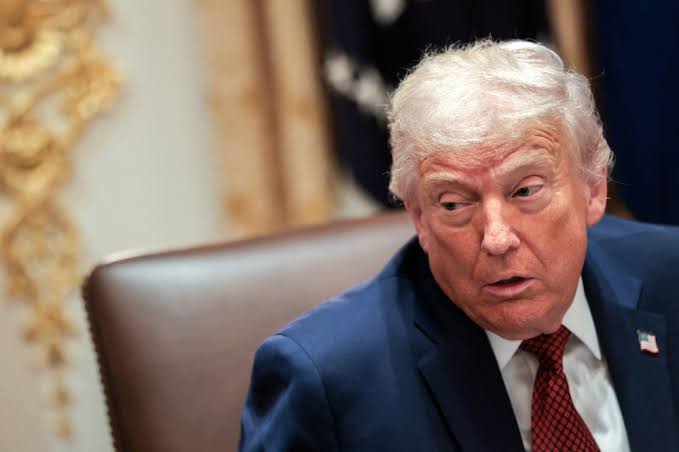
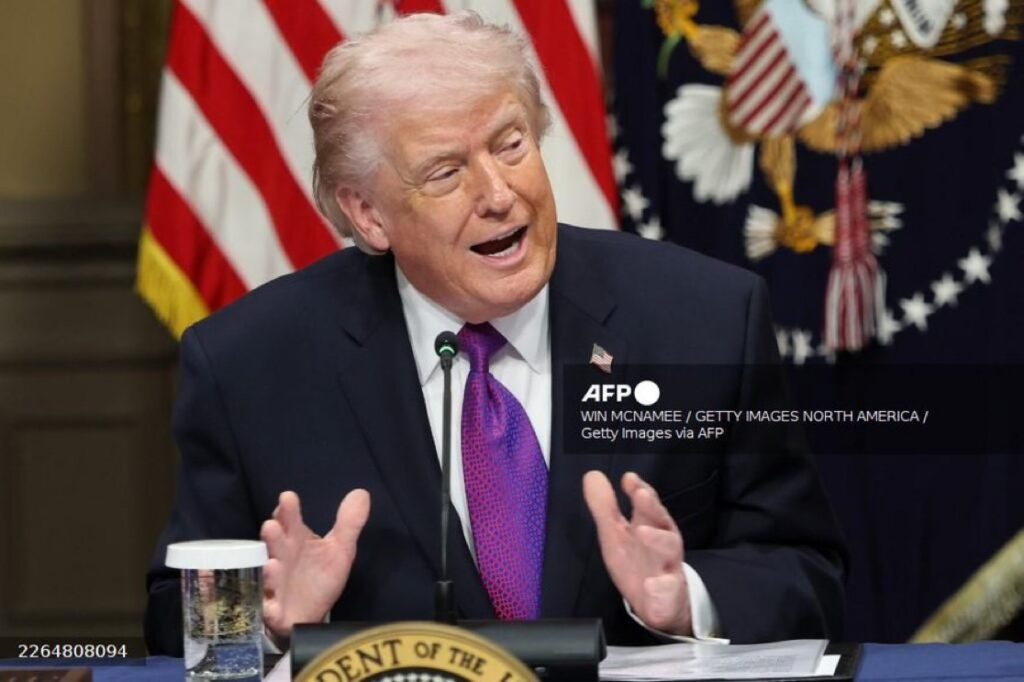
United States President Donald J. Trump has issued the first vetoes of his second term, blocking two separate pieces of legislation that had received bipartisan approval in Congress.
The move underscores an early willingness by the administration to challenge lawmakers and reassert executive authority, even on measures that enjoyed rare cross-party consensus.
One of the rejected bills sought to complete a long-delayed federal water infrastructure project intended to provide clean and reliable drinking water to rural communities in southeastern Colorado.
The project, first approved several decades ago, has faced repeated funding and construction setbacks despite ongoing concerns about water safety in the affected areas.
Lawmakers from both political parties had pushed for its completion, describing it as a public health necessity rather than a partisan issue.
In his veto message, President Trump argued that the legislation would impose excessive costs on taxpayers and represented inefficient use of federal resources.
He maintained that the project no longer aligned with his administration’s fiscal priorities and broader approach to government spending.
The second veto involved a bill designed to expand protected land for a Native American tribe in Florida’s Everglades region. The proposal aimed to safeguard culturally significant land and provide additional environmental protections.
Tribal leaders and members of Congress supporting the bill said it would help preserve heritage sites while addressing longstanding land-use concerns.
However, the president rejected the measure, stating that it conflicted with federal land management policies and raised concerns about precedent. The White House emphasized that while tribal interests remain important, legislative proposals must meet strict legal and policy standards.
The vetoes have generated sharp reactions on Capitol Hill. Supporters of the blocked bills accused the administration of undermining bipartisan cooperation and disregarding local needs. Some lawmakers warned that communities affected by the decisions could face long-term consequences, particularly in areas related to water access and cultural preservation.
Despite the criticism, efforts to override the vetoes face steep challenges, as doing so would require a two-thirds majority in both chambers of Congress.
With political divisions still prominent, such an outcome remains uncertain.
These early vetoes provide a clear signal of how President Trump intends to govern during his second term—favoring strong executive control and strict adherence to his policy agenda, even at the cost of bipartisan compromise.
As legislative debates continue, the relationship between the White House and Congress is expected to remain tense in the months ahead.