
National Grid Rebounds to 4,384MW After Partial Collapse, Says NISO
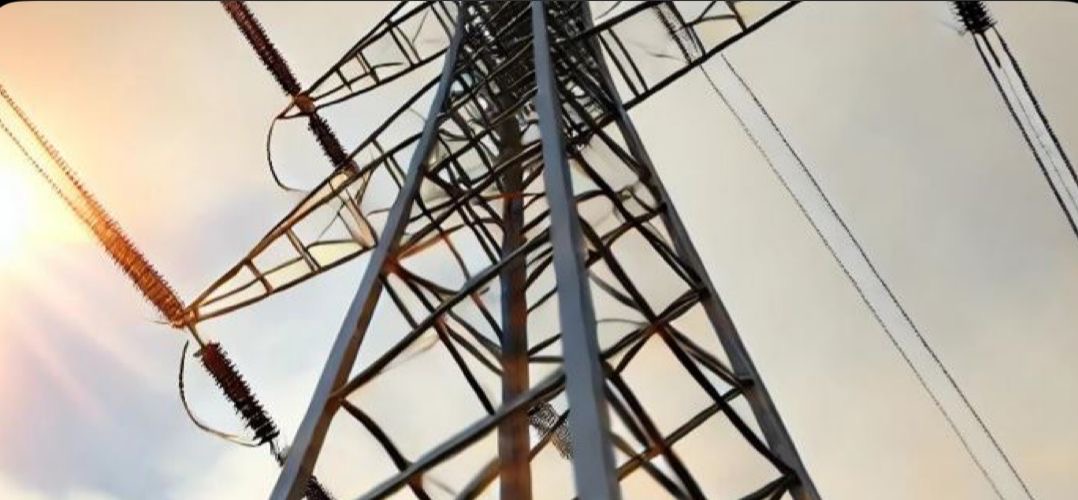
Power generation on Nigeria’s national grid rebounded to 4,384.4 megawatts (MW) on Tuesday, following a partial system collapse that plunged many parts of the country into darkness for several hours on Monday.
Checks by Vanguard of data from the Nigerian Independent System Operator (NISO) showed that as of 2:00 p.m. on Tuesday, 19 power generation companies had been successfully reconnected to the grid, pushing total generation above the 4,000MW threshold.
Hydropower plants emerged as the top contributors to the recovery. Zungeru Hydropower Plant led generation with 651MW, followed by Kainji at 524MW and Jebba at 515MW, underscoring the growing role of hydro facilities in stabilising the national power supply.
On the distribution side, electricity allocation to distribution companies (DisCos) stood at 3,615MW. Abuja Electricity Distribution Company received the highest allocation at 553MW, closely followed by Ikeja Electric with 546MW, while Eko Electricity Distribution Company offtook 465MW.
Explaining the incident, NISO said the grid collapse was triggered by a system disturbance and confirmed that investigations had commenced to determine the exact cause and prevent a recurrence.
“The Nigerian Independent System Operator (NISO) wishes to inform the general public and relevant stakeholders that the National Grid experienced a system disturbance at 14:01 hours on Monday, 29 December 2025, which led to a partial collapse,” the statement read.
NISO recalled that the vandalisation of the Lagos–Escravos–Lagos gas pipeline on December 10, 2025, had significantly reduced gas supply to power plants, contributing to lower generation levels and increasing the fragility of the grid.
“Preliminary reports indicate that the disturbance involved the tripping of several generating units and critical 330kV transmission lines, resulting in a widespread impact on electricity supply across parts of the country,” the operator added.
The incident once again highlights the vulnerability of Nigeria’s power infrastructure, particularly its dependence on gas supply and ageing transmission assets.
Stakeholders have repeatedly called for stronger protection of energy infrastructure and accelerated investments in grid stability to reduce frequent system disturbances.
Meanwhile, NISO assured Nigerians that efforts are ongoing to fully stabilise the grid and strengthen operational resilience as investigations continue.