
You Cannot Tax Poverty” — Peter Obi Slams Proposed Tax Reforms
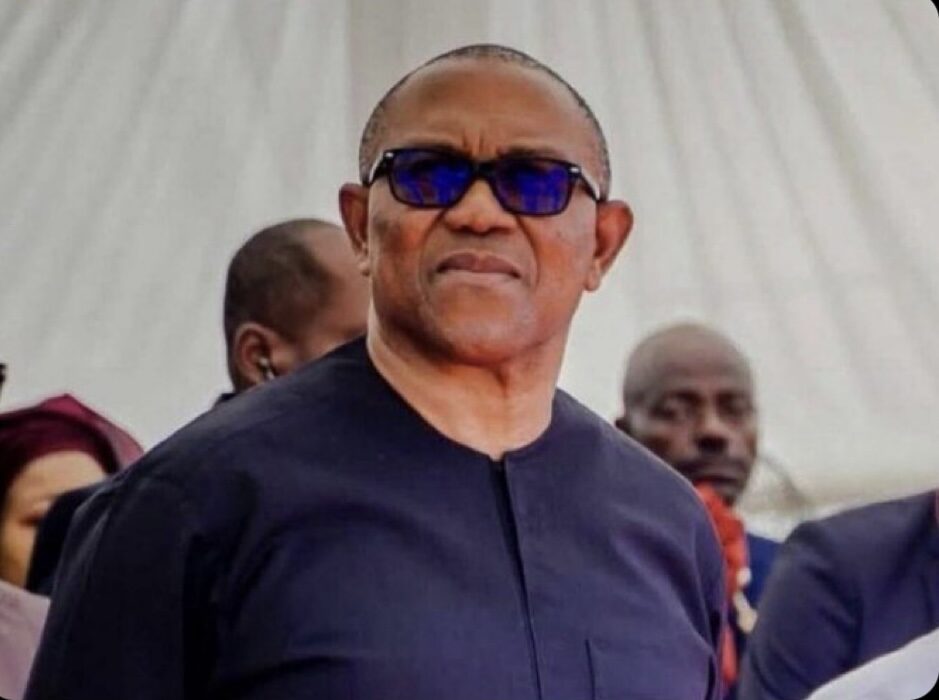
Former Anambra State Governor and Labour Party presidential candidate, Peter Obi, has strongly criticised the Federal Government’s proposed tax reforms, warning that imposing new taxes at a time of widespread hardship amounts to “taxing poverty.
Obi’s remarks come amid growing national debate over a raft of tax laws scheduled to take effect in January 2026, which opposition figures, civil society groups, and labour unions say could worsen the living conditions of millions of Nigerians already struggling with inflation, unemployment, and rising costs of basic necessities. Speaking through a series of public statements and engagements, Obi argued that taxation must be rooted in productivity and prosperity, not desperation. According to him, governments should first lift citizens out of poverty before expanding the tax net. You cannot tax hunger. You cannot tax poverty. When people are barely surviving, additional taxes only deepen suffering and widen inequality,” Obi said. Obi’s comments align with a broader opposition stance that has gained momentum in recent weeks. A coalition of opposition politicians and groups has called on President Bola Tinubu’s administration to suspend the implementation of the new tax regime, describing it as regressive and poorly timed. Beyond economic concerns, Obi has also raised alarm over the process through which the tax laws were passed, alleging that the versions signed into law contain provisions not properly debated or approved by the National Assembly. He cited controversial clauses that allegedly grant extensive powers to tax authorities, including asset seizures, arrest powers, and mandatory deposits for court appeals, warning that such measures could intimidate citizens and undermine the rule of law. The controversy has since spilled into the National Assembly, with the House of Representatives launching a probe into claims of illegal alterations in the tax laws. The Peoples Democratic Party (PDP) has also demanded a six-month delay in implementation to allow for proper scrutiny and public sensitisation. Obi has further demanded full disclosure of all tax-related Memoranda of Understanding (MoUs) entered into by the government, insisting that agreements affecting public revenue and citizens’ rights must be transparent. The Federal Government, however, maintains that the tax reforms are necessary to modernise Nigeria’s tax system, expand the tax base, reduce multiple taxation, and improve revenue generation for development. Officials argue that without reform, the country’s fiscal challenges will persist, limiting government’s ability to fund infrastructure, education, healthcare, and security. As the debate intensifies, Nigerians remain divided between the need for sustainable government revenue and the harsh reality of economic hardship. For Peter Obi and other critics, the solution lies not in heavier taxation but in economic growth, job creation, and poverty reduction. With January 2026 approaching, pressure continues to mount on the Tinubu administration to reconsider, amend, or delay the reforms—or risk widespread public backlash over policies many believe punish the poor rather than empower them.