




Atiku Calls for Fresh Passage of Tax Reform Laws, Faults Re-Gazetting
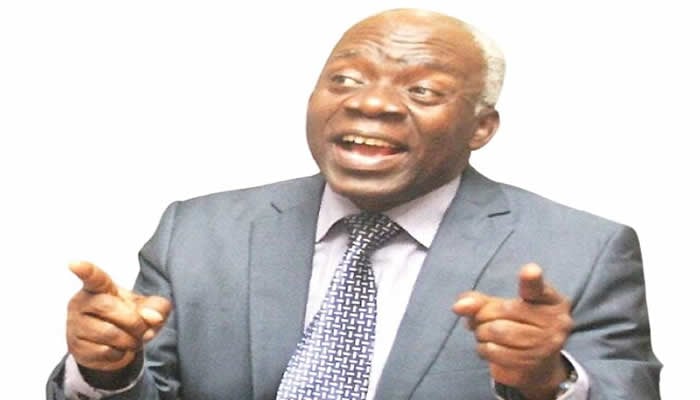
Former Vice-President Atiku Abubakar has called for a fresh passage of the recently enacted tax reform laws, faulting the National Assembly’s decision to re-gazette the legislation amid controversies surrounding its implementation slated for January 1, 2026.
In a statement issued on Monday, Atiku described the discrepancies identified in the gazetted version of the tax laws as a “grave constitutional issue,” warning that the situation poses serious legal and institutional risks for the country.
His reaction followed the Senate’s confirmation that the version of the Tinubu Tax Act published in the official gazette does not accurately reflect what was duly passed by both chambers of the National Assembly.
According to Atiku, any law published in a form different from what lawmakers approved is legally invalid.
“The confirmation by the Senate that the gazetted version of the Tinubu Tax Act does not reflect what was duly passed by the National Assembly raises a grave constitutional issue,” he said.
He stressed that Nigeria’s lawmaking process is clearly outlined in Section 58 of the 1999 Constitution, which requires passage by the National Assembly, presidential assent, and only then gazetting.
“A law that was never passed in the form in which it was published is not law. It is a nullity,” Atiku stated. “Gazetting is an administrative act; it does not create law, amend law, or cure illegality.”
The former vice-president further warned that any post-passage insertions, deletions, or modifications made without the approval of the legislature amount to a criminal act rather than a simple administrative oversight.
“Any alteration after passage without legislative approval is forgery, not a clerical error,” he said.
Atiku argued that the only constitutionally sound way to resolve the controversy is for the National Assembly to undertake a fresh passage of the tax reform laws, ensuring that the final version accurately reflects lawmakers’ intent before implementation.
He cautioned that proceeding with the disputed version could trigger legal challenges, undermine public confidence, and create uncertainty for businesses and taxpayers ahead of the proposed commencement date.
The tax reform laws are a key component of the Tinubu administration’s fiscal agenda, aimed at overhauling Nigeria’s tax system, broadening the revenue base, and improving efficiency in tax collection.
However, the emerging controversy has added to growing public debate over transparency, due process, and legislative accountability in the reform process.


