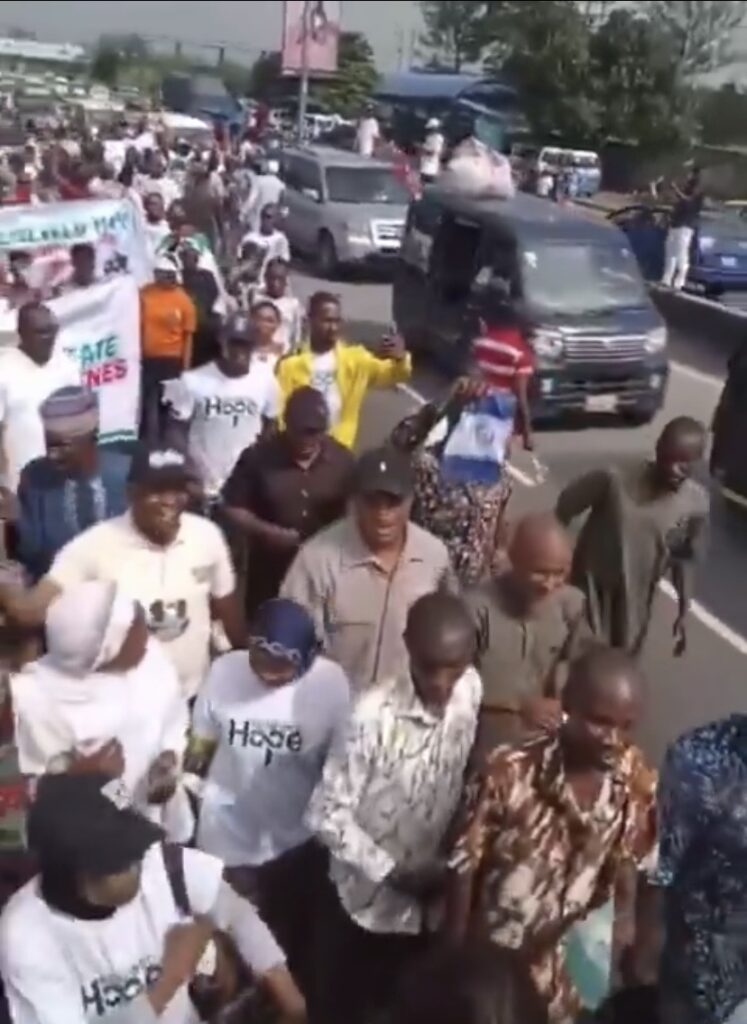
SERAP drags governors, Wike to court over alleged secrecy surrounding ₦14 trillion fuel-subsidy windfall
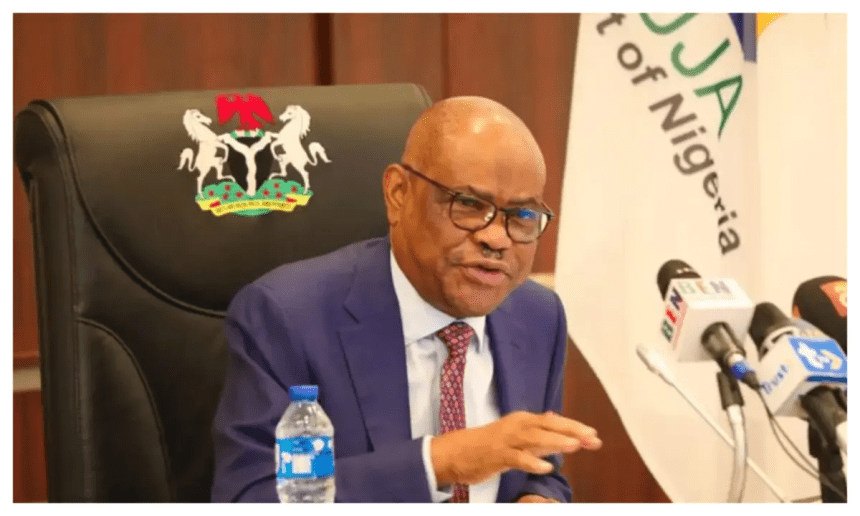
The Socio-Economic Rights and Accountability Project (SERAP) has instituted a legal action against Nigeria’s 36 state governors and the Minister of the Federal Capital Territory, Nyesom Wike, over what it describes as a failure to provide a clear account of approximately ₦14 trillion generated from fuel-subsidy removal.
The suit, filed before the Federal High Court in Lagos, seeks to compel the governors and the FCT administration to publicly disclose how the funds accruing from the subsidy policy change have been spent since mid-2023. SERAP is asking the court to order the respondents to release comprehensive details of projects allegedly financed with the savings, including their costs, locations, contractors, and current status.
According to the organisation, the removal of petrol subsidy significantly increased monthly allocations to states and the FCT through the Federation Account, creating an obligation on public office holders to ensure transparency and accountability in the management of the additional revenue. SERAP argues that Nigerians, who have borne the brunt of higher fuel prices, inflation, and increased cost of living, have a constitutional right to know how the savings are being utilised.
The rights group maintains that despite repeated public assurances by government officials that subsidy savings would be channelled into infrastructure, social services, and poverty-reduction programmes, there is little publicly available information to support such claims. It contends that the absence of detailed disclosures raises concerns about potential misuse or mismanagement of funds meant to cushion the economic impact of subsidy removal on citizens.
In the court filing, SERAP insists that accountability in public finance is not optional but a legal duty anchored in the Nigerian Constitution, the Freedom of Information Act, and international anti-corruption commitments to which Nigeria is a signatory. The organisation further argues that secrecy surrounding the expenditure of such a large sum undermines democratic governance and weakens public trust in government institutions.
The lawsuit also draws attention to the continued economic hardship across the country, noting that many Nigerians have yet to experience tangible improvements in essential services such as healthcare, education, transportation, and social welfare despite the reported increase in government revenues. SERAP believes that full disclosure of subsidy-related spending would allow citizens to assess whether the policy has translated into real developmental gains.
Fuel-subsidy removal was presented by the federal government as a necessary reform to end decades of waste, curb corruption, and free up resources for development. While the policy has boosted revenues available to subnational governments, critics argue that without transparent accounting, the intended benefits remain largely theoretical.
As of the time of filing, the court has not fixed a hearing date. However, the case has already reignited national debate on fiscal responsibility and the need for stronger oversight of public funds at both state and federal levels.
Civil society groups say the outcome could set an important precedent for transparency in Nigeria’s public finance management.