
Nigeria hints on Further Air Strikes by Joint US-Led Operation Against Jihadists
Nigeria has announced that more military strikes against insurgent groups are expected following a Christmas Day bombardment by United States forces in the country’s northwest.
The Nigerian government emphasized that the operation, which targeted militants linked to the Islamic State (ISIS), was a collaborative effort between the Nigerian military and Washington.
This surge in high-level security coordination comes amid ongoing internal crises, including a long-standing jihadist insurgency in the northeast and the rise of violent “bandit” gangs carrying out mass kidnappings in the northwest.
The recent strikes followed a period of diplomatic tension between Abuja and the Trump administration regarding the framing of Nigeria’s internal conflicts.
While Washington has previously characterized the violence as a targeted persecution of Christians, the Nigerian government and independent analysts have rejected this narrative, noting that both victims and perpetrators in the northwest are predominantly Muslim.
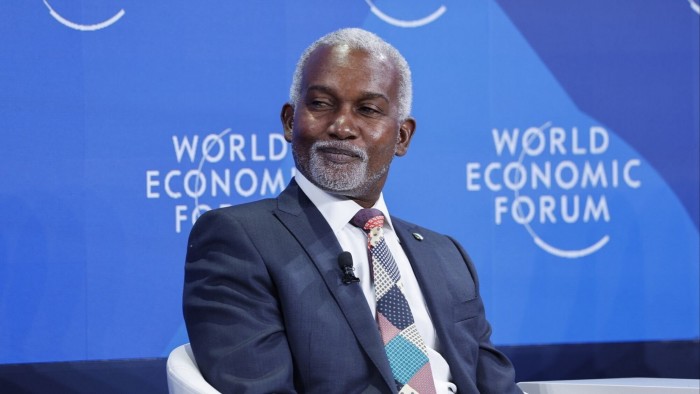
Nigeria’s Foreign Minister, Yusuf Tuggar, clarified that the joint operation was based on intelligence provided by Nigeria and was not directed at any specific religious group.
During a broadcast on Channels TV, Minister Tuggar confirmed that President Bola Tinubu authorized the strikes after a direct discussion between Tuggar and US Secretary of State Marco Rubio.
When questioned about future military actions, Tuggar noted that the partnership is an “ongoing thing” and that Nigeria is actively working with the US and other international partners to neutralize threats. US Africa Command confirmed that “multiple ISIS terrorists” were killed in the Sokoto State operation, later releasing footage of a missile launch from a US battleship.
The specific identity of the targeted groups remains a subject of debate among security experts. While the strikes focused on the northwest traditionally a hub for banditry rather than jihadism researchers have noted the increasing presence of groups like “Lakurawa,” which are believed to have ties to the Islamic State Sahel Province (ISSP).
Local residents in Sokoto expressed shock at the scale of the blasts, noting that their specific districts had not previously been known as militant enclaves.
Despite the tactical success, analysts suggest that Abuja’s warm reception of the strikes may be partially driven by a desire to ease diplomatic pressure from the US.