

Federal Appointment or Federal Heist? Northern Leaders Under Fire Over Alleged Abuse of Office
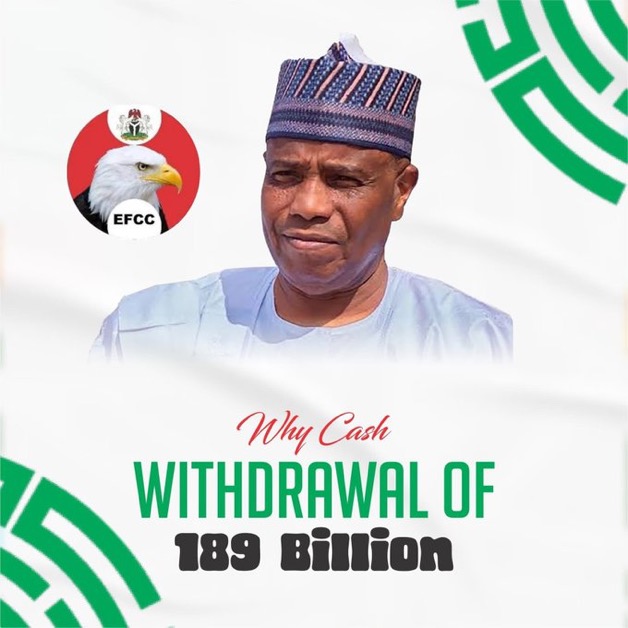
A growing wave of criticism is trailing some Northern political leaders appointed into powerful federal positions, as public commentators and civil society voices question a recurring pattern of alleged corruption, unexplained wealth, and moral failure that they say has turned regional pride into national embarrassment.
Across the North, federal appointments are often celebrated as moments of collective victory — a sign of inclusion, representation, and hope that “one of our own” will advance regional interests at the centre. But critics argue that these celebrations have too frequently ended in scandal rather than service. Instead of policy legacies, there are allegations. Instead of visible development, there are reports of asset declarations running into billions of naira. Instead of honour, there are investigations, court cases, and anti-graft headlines. Analysts say the trend raises troubling questions for a region grappling with deep structural challenges, including mass poverty, insecurity, out-of-school children, collapsing infrastructure, and weak healthcare systems. How does a region battling such hardship continue to produce federal office holders who allegedly leave public service wealthier than entire local governments?” a political analyst in Abuja asked. “The contrast between private enrichment and public suffering is too stark to ignore". Critics argue that some appointees arrive in Abuja with limited policy vision but leave with vast personal empires — estates, hotels, factories, schools, and properties spread across multiple states — while the communities they are said to represent remain trapped in underdevelopment. The backlash is also directed at what observers describe as the misuse of regional, religious, and ethnic sentiment to deflect accountability. Whenever questions are raised about alleged misconduct, critics are often accused of being “anti-North,” a tactic that commentators say undermines genuine demands for transparency. “Who truly damages the North?” a civil society advocate asked. “Is it the citizen asking hard questions, or the leader allegedly looting resources meant for the people? Meanwhile, Northern youths continue to face widespread unemployment, the almajiri crisis deepens, banditry and communal violence persist, and maternal mortality remains high due to poor healthcare access. For many residents, these realities make celebrations of federal appointments ring hollow. Voices calling for reform insist that public office must not be treated as a personal enrichment scheme or a retirement plan, warning that regional identity should never serve as a shield for alleged corruption. If a federal appointment ends in scandal, asset seizures, or unexplained wealth, then that official did not represent the North — they embarrassed it,” one commentator noted. “History will not remember titles. It will remember consequences. As public scrutiny intensifies, many are urging a shift in values: from applauding appointments to demanding accountability; from ethnic solidarity to ethical leadership. According to them, the North’s future depends not on how many of its sons and daughters hold office, but on how cleanly and effectively they serve.