


US Conducts Surveillance Flights Over Nigeria Following Trump’s Threats, States Report
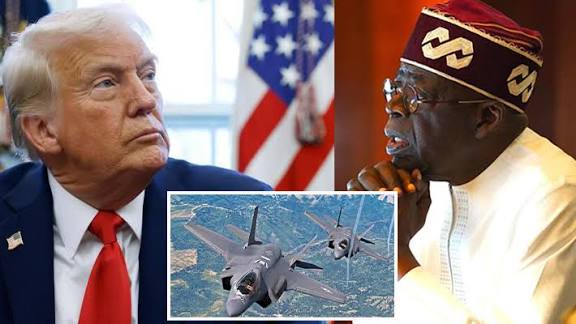
The United States has reportedly intensified intelligence-gathering activities over Nigeria, conducting surveillance flights across parts of the country in the aftermath of threats by former US President Donald Trump over Nigeria’s security situation.
According to the report, the surveillance missions began in late November and involve specially equipped aircraft used for intelligence, surveillance and reconnaissance operations.
The planes are said to operate from outside Nigeria, flying over Nigerian airspace before returning to their bases, a move that has drawn attention amid rising diplomatic and security tensions.
The development follows comments by Trump in which he warned of possible US action if Nigeria failed to address persistent violence, particularly attacks he claimed were directed at Christian communities.
His remarks sparked widespread reactions, with Nigerian officials rejecting claims of religiously targeted violence and insisting that armed groups attack civilians regardless of faith.
Security analysts believe the flights are part of broader US efforts to monitor militant activities, including the movements of extremist groups operating in northern Nigeria and the wider Lake Chad region.
Groups such as Boko Haram and the Islamic State West Africa Province (ISWAP) remain active despite years of military operations, posing continued threats to civilians and regional stability.
The surveillance is also viewed as a signal of Washington’s intention to maintain a strategic intelligence presence in West Africa, particularly after recent geopolitical shifts that have seen the US scale back its military footprint in some neighbouring countries.
Analysts say Nigeria’s size, population and security challenges make it a critical focal point for regional monitoring.
US officials have been cautious in public statements, declining to provide details on the nature or objectives of the flights, citing diplomatic sensitivity.
However, they have acknowledged ongoing security engagements with Nigerian authorities, describing recent discussions as constructive.
On its part, the Nigerian government has reiterated its commitment to tackling insecurity and strengthening cooperation with international partners, while stressing that the country’s security challenges are complex and not driven by religious persecution.
Officials insist that any foreign assistance must respect Nigeria’s sovereignty.
The reported surveillance flights come as President Bola Ahmed Tinubu continues to push an aggressive domestic security agenda, including increased military recruitment and expanded operations against banditry, kidnapping and insurgency across several states.
While the full scope and intent of the US flights remain unclear, the development underscores growing international attention on Nigeria’s security situation and highlights the delicate balance between foreign security interests and national sovereignty in addressing one of Africa’s most pressing security crises.