


Presidency Dismisses Claims of Irregularities in Newly Signed Tax Laws
The Presidency has reacted to growing public debate surrounding the newly enacted tax reform laws, rejecting claims that the versions signed into law differ from those approved by the National Assembly.
The response comes amid calls by former Vice President Atiku Abubakar, Labour Party’s 2023 presidential candidate Peter Obi, and several civil society groups for a pause in the implementation of the laws, which are expected to take effect from January 1.
Concerns were recently raised by a member of the House of Representatives, Abdulsamad Dasuki, who alleged inconsistencies between the tax bills passed by lawmakers and the copies later gazetted and circulated to the public. Dasuki argued that the situation amounted to a violation of legislative procedure and the rights of parliamentarians, insisting that the published laws did not fully align with what was debated and approved in the House.
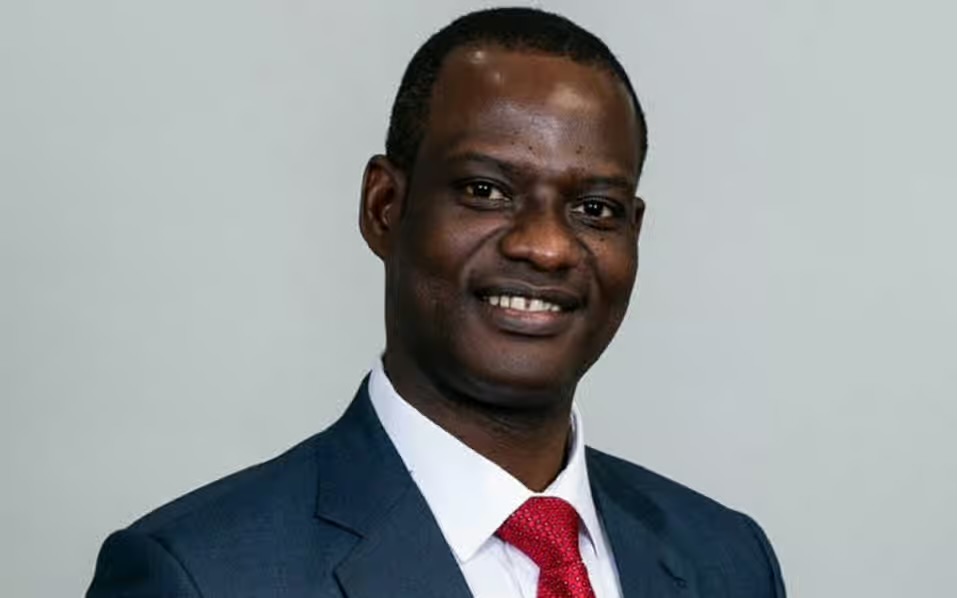
However, the Chairman of the Presidential Fiscal Policy and Tax Reforms Committee, Mr. Taiwo Oyedele, dismissed the allegations during an appearance on Channels Television’s Morning Brief. Oyedele described the documents circulating in the public space as unauthentic, noting that there was no officially gazetted version available for comparison.
He explained that the only authoritative copies were the harmonised bills certified by the Clerk of the National Assembly and transmitted to the President, adding that these documents were not in the possession of his committee.
According to him, only lawmakers involved in the process could conclusively state what was forwarded for presidential assent. Oyedele also clarified that the documents making the rounds did not originate from any investigative committee set up by the House of Representatives, urging patience while the legislature carries out its own review of the matter.
President Bola Tinubu recently assented to four major tax reform bills, a move the Federal Government has described as the most far-reaching restructuring of Nigeria’s tax framework in several decades.
The reforms, which previously sparked strong resistance from some lawmakers, particularly from the northern region, are scheduled to commence on January 1, 2026.
The new legal framework comprises the Nigeria Tax Act, the Nigeria Tax Administration Act, the Nigeria Revenue Service (Establishment) Act, and the Joint Revenue Board (Establishment) Act. All the laws are to be implemented under a unified authority, the Nigeria Revenue Service.
According to the government, the reforms are aimed at streamlining tax processes, widening the tax net, removing multiple and overlapping levies, and upgrading revenue collection systems across the federal, state and local levels.