

Dangote Refinery Sets New Benchmark as Daily Petrol Loading Crosses 2,000 Trucks
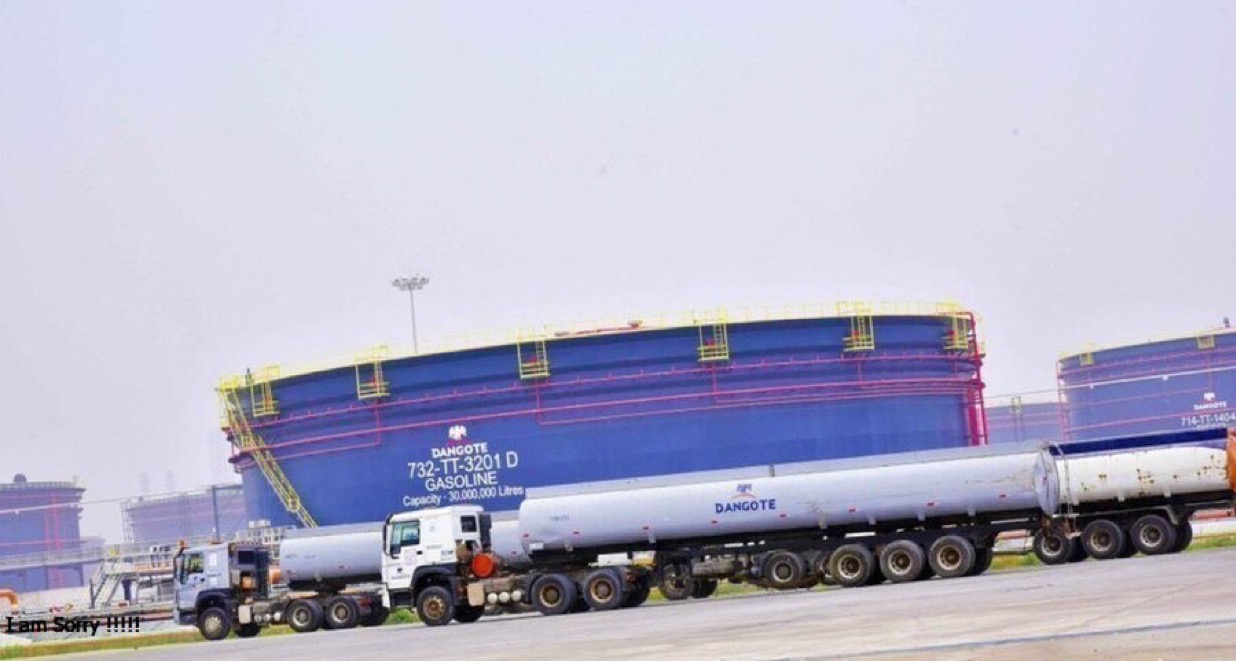
Dangote Petroleum Refinery has reached a historic milestone in Nigeria’s downstream oil sector, recording the loading of more than 2,000 trucks of Premium Motor Spirit (PMS) per day, a development that signals its growing dominance in fuel distribution nationwide.
The refinery has rapidly positioned itself as a central supply hub following a series of strategic decisions aimed at easing access to petrol and reducing costs for consumers.
Key among these measures is the recent reduction of the pump price of PMS to ₦699 per litre, coupled with a sharp review of its minimum purchase volume from 2 million litres to 250,000 litres.
Industry analysts say the changes reflect a deliberate effort to stabilise fuel supply, widen market participation and support broader economic activities. In addition, Dangote Refinery introduced a 10-day bank guarantee arrangement for marketers, a move designed to ensure steady product availability while boosting confidence in its supply framework.
Market response has been swift and substantial. Since the policy adjustments were unveiled, the refinery has recorded an unprecedented surge in patronage, with over 1,000 trucks reportedly loading petrol daily from its gantry, a figure that has now exceeded 2,000 trucks per day at peak operations.
Speaking on the development, President of Dangote Group, Aliko Dangote, explained that the refinery’s decisions were driven by the need to make fuel more affordable and accessible across the country.
He noted that lowering prices and reducing entry thresholds would allow both major and small-scale marketers to participate actively in distribution, ensuring wider reach.
Observers note that the refinery’s inclusive strategy has opened opportunities for smaller operators, strengthened distribution channels and enhanced fuel availability across urban and rural areas.
By lowering barriers and encouraging competition, Dangote Refinery is increasingly being seen as a key driver of stability and affordability in Nigeria’s fuel supply chain.