


Banana Island Land Prices Soar Over 540% to ₦3.05m per Sqm in Five Years, Says Report
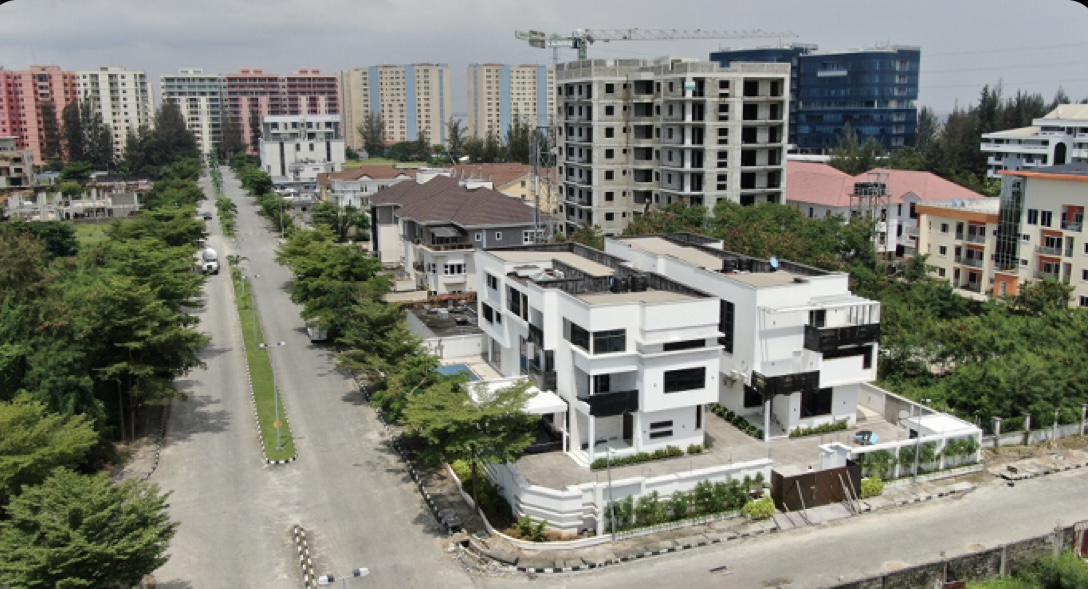
Land prices on Banana Island, one of Lagos’ most exclusive residential districts, have surged by over 540 per cent in the last five years, rising to an average of ₦3.05 million per square metre in 2025, according to a new real estate market report.
The finding was contained in the Lagos Residential Market Report 2025 released by Edala Development, which tracked property price movements across prime locations in Lagos between 2020 and 2025. The report showed that land on Banana Island, which sold for about ₦470,000 per square metre in 2020, has recorded one of the fastest appreciation rates in Nigeria’s luxury property market Analysts attributed the sharp rise to limited land availability, strong demand from high-net-worth individuals, and Banana Island’s reputation as a secure, high-end residential enclave. With the island largely built up and few plots available for new developments, competition among buyers has continued to push prices upward. Beyond land values, the report also highlighted significant increases in residential property prices and rental rates on the island. Rental prices for three-bedroom apartments rose from an average of ₦11 million per annum in 2020 to about ₦27.5 million in 2025, while four-bedroom homes increased from roughly ₦18 million to ₦30.5 million within the same period. Sales prices also climbed sharply, with four-bedroom houses now selling for as much as ₦800 million, compared to about ₦350 million five years ago The surge on Banana Island mirrors a broader trend across Lagos’ prime real estate corridors. According to the report, land prices in Ikoyi increased from about ₦420,000 per square metre in 2020 to ₦2.15 million in 2025, while Victoria Island rose to about ₦1.55 million per square metre. Lekki Phase 1 also recorded strong growth, with land values climbing to around ₦1.1 million per square metre. Real estate experts say the sustained appreciation reflects rising construction costs, inflationary pressures, and increasing investor preference for property as a hedge against currency depreciation. They also note that infrastructure improvements and consistent demand for luxury housing continue to support high valuations in these areas. Despite the rising costs, demand for Banana Island properties remains strong, reinforcing its status as one of Africa’s most expensive residential neighbourhoods and a key symbol of Nigeria’s luxury real estate market.