


15.2 Million Housing Units in Nigeria Structurally Inadequate, Says FG
The Federal Government has revealed that about 15.2 million housing units across Nigeria are structurally inadequate, exposing a major quality gap in the country’s housing sector and deepening concerns over living conditions for millions of citizens.
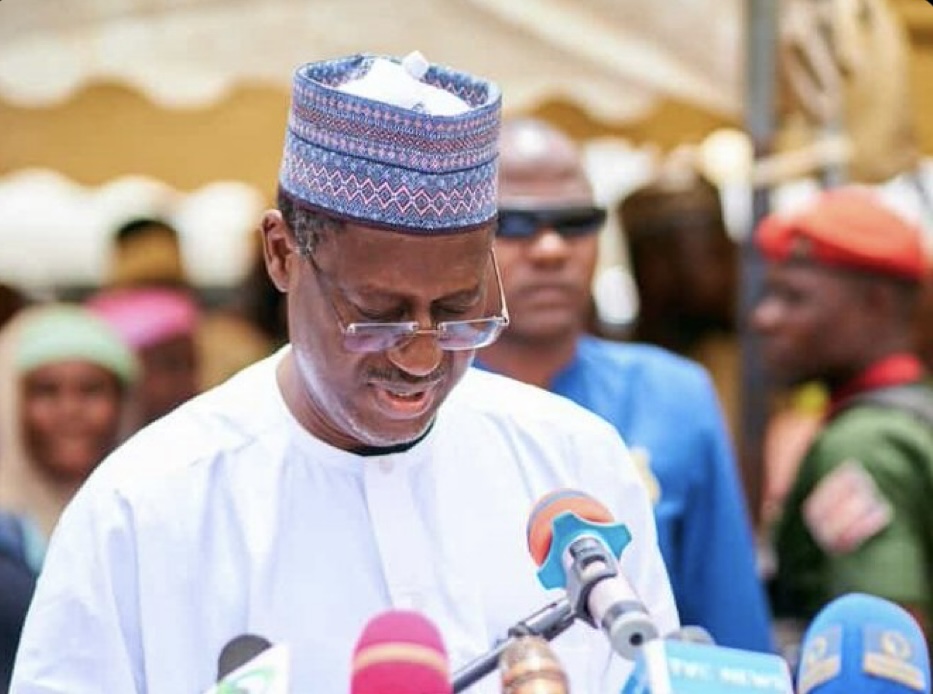
The disclosure was made by the Minister of Housing and Urban Development, Arc. Ahmed Musa Dangiwa, following findings from the National Housing Data Initiative, a nationwide assessment of Nigeria’s housing stock. According to the minister, the affected housing units physically exist but do not meet minimum standards for safety, durability and access to basic amenities such as potable water, sanitation, electricity and supporting infrastructure. He noted that Nigeria’s housing challenge goes beyond numerical shortages to include the poor condition of many existing homes. Dangiwa explained that the assessment was conducted using internationally recognised benchmarks, including the Household Crowding Index, Adequate Housing Index and a Composite Index Methodology, with data sourced from the National Bureau of Statistics, National Population Commission and the Central Bank of Nigeria. The minister said the findings highlight the urgent need for housing rehabilitation, urban renewal and improved building standards, particularly in densely populated urban areas and informal settlements. Nigeria is estimated to have a housing deficit of more than 28 million units, driven by rapid population growth, urbanisation, rising construction costs and limited access to housing finance. The existence of over 15 million structurally inadequate homes further compounds the crisis, experts warn. In response, the Federal Government announced plans to establish a National Housing Data Centre under the Ministry of Housing and Urban Development to support evidence-based policymaking, guide investments and improve monitoring of housing outcomes. The centre is expected to become operational by early 2026. The government also reaffirmed its commitment to expanding affordable housing delivery through public-private partnerships, upgrading decaying neighbourhoods and strengthening regulatory oversight to ensure safer and more habitable housing for Nigerians.