

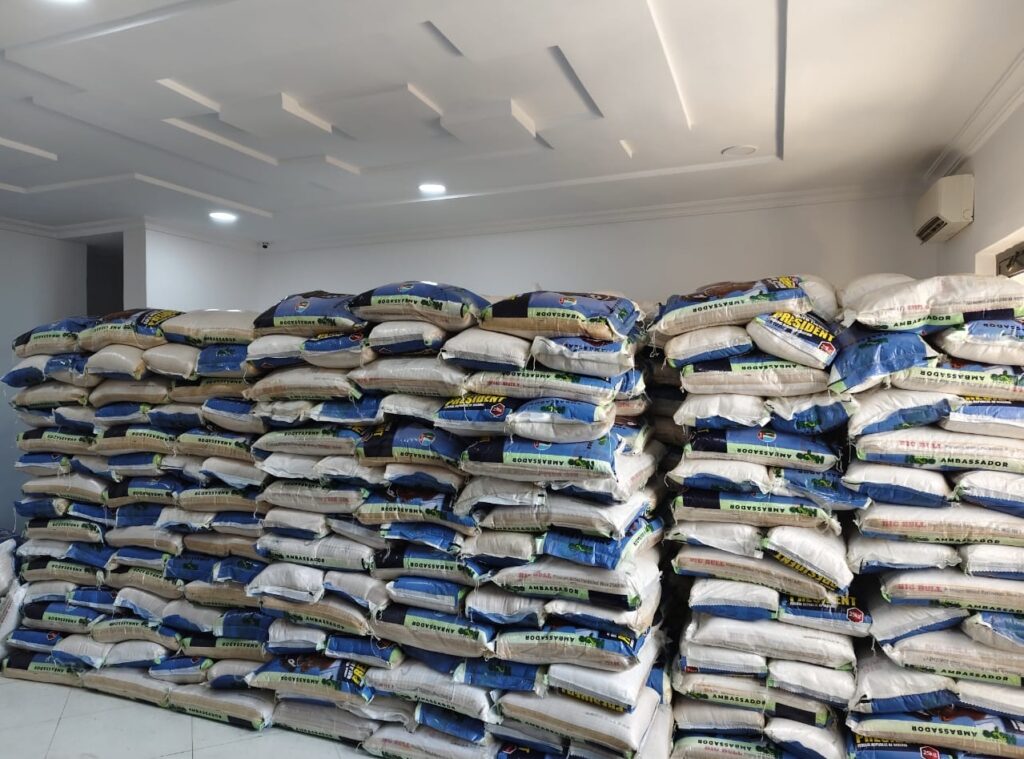

Nigeria’s Non-oil Exports Soars to N9.2 trillion in First 9 Months of 2025
Nigeria’s efforts to diversify its economy away from crude oil continued to gain traction in 2025, as non-oil exports surged to a record N9.2 trillion between January and September.
The performance represents a significant improvement over the same period in 2024 and signals growing strength in agriculture, manufacturing and solid minerals exports.
Industry data indicate that the strong showing was driven by increased shipment volumes and improved prices for several export commodities. Agricultural produce remained the backbone of non-oil trade, with cocoa, cashew, sesame seed, rubber and ginger accounting for a substantial share of total earnings.
Processed and semi-processed products such as fertilizers, chemicals and manufactured consumer goods also contributed meaningfully, reflecting gradual progress in local value addition.
Exporters and trade analysts attribute the growth to a mix of supportive government policies and improved participation by small and medium-scale producers.
Capacity-building programmes, export expansion grants and better access to trade information have helped many businesses meet international standards and penetrate new markets.
In addition, regional trade opportunities within Africa have expanded demand for Nigerian goods, particularly food items and industrial inputs.
The rise in non-oil exports has also been linked to improvements in foreign exchange inflows and relative stability in export documentation processes.
Stakeholders say that faster port procedures, increased use of digital trade platforms and better coordination among regulatory agencies have reduced delays that previously discouraged exporters.
Economic experts view the development as encouraging for Nigeria’s balance of payments and overall economic resilience. With crude oil revenues often exposed to global price volatility, stronger non-oil earnings provide a more stable source of foreign exchange and help cushion fiscal pressures.
The growth in export activity has also supported job creation across farming communities, processing hubs and logistics chains.
However, despite the positive trend, challenges remain. Exporters continue to grapple with poor transport infrastructure, high energy costs and limited access to affordable financing. Quality control and consistency also remain critical issues for Nigerian products seeking to compete in premium international markets.
Analysts stress that sustaining the current momentum will require deeper investment in agro-processing, industrial clusters and export-oriented manufacturing. Strengthening power supply, upgrading ports and improving cold-chain logistics are seen as essential steps to unlock even greater export value.
If maintained, the upward trajectory of non-oil exports could significantly reshape Nigeria’s economic structure, reduce overreliance on oil and position the country as a more competitive player in regional and global trade.