

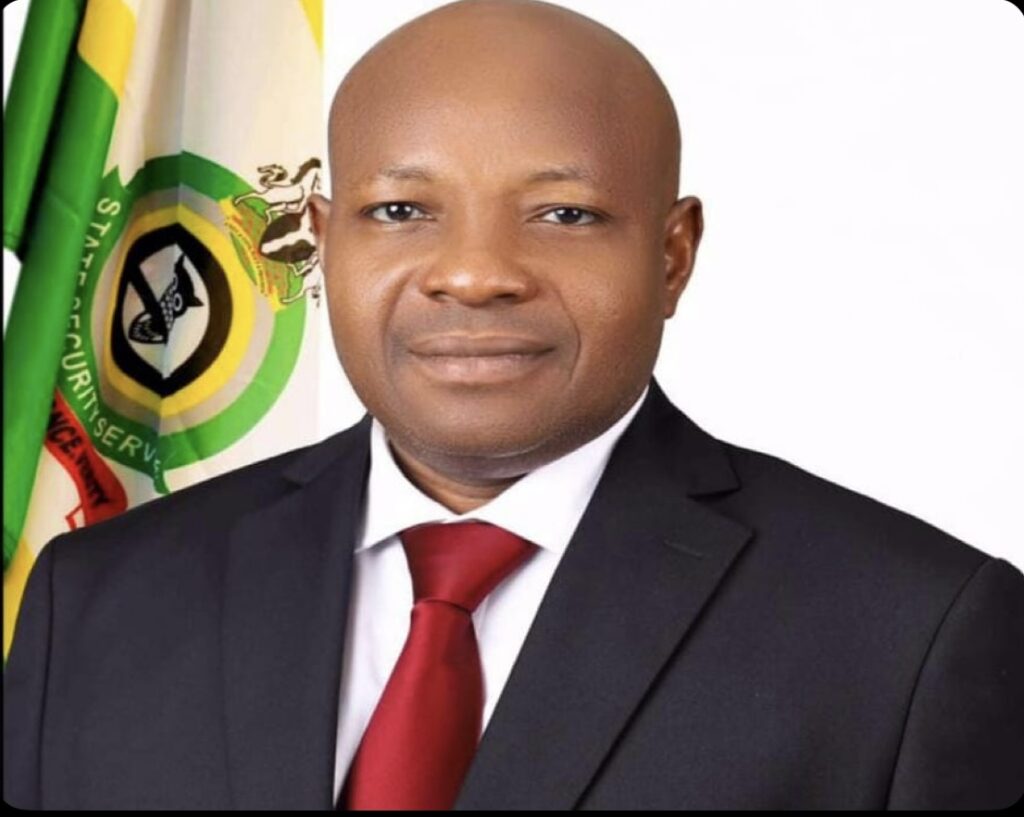

Fubara’s Measured Political Approach Draws Attention Amid Rivers Power Struggles

Rivers State Governor, Siminalayi Fubara, has continued to attract national attention following his calm and strategic handling of ongoing political tensions in the state, with analysts describing his conduct as a shift toward calculated political endurance rather than confrontation.
The political climate in Rivers State has remained tense for several months, marked by internal power struggles, public disagreements, and heightened expectations from supporters on all sides.
In contrast to the combative responses often associated with such situations, Governor Fubara has adopted a notably restrained approach, focusing on stability, governance, and adherence to constitutional processes.
Political observers say this posture reflects a deeper understanding of Nigeria’s power dynamics, particularly the style of politics long associated with President Bola Ahmed Tinubu.
Tinubu’s rise through the ranks of Nigerian politics has often been attributed to patience, strategic alliances, and an ability to endure political storms without unnecessary escalation.
Supporters argue that Fubara’s recent actions suggest he is drawing lessons from this philosophy.
Despite facing pressure to respond forcefully to perceived provocations, the Rivers governor has largely avoided inflammatory rhetoric. Instead, he has maintained a low-profile strategy, emphasizing institutional respect and continuity of governance.
Analysts note that this approach has helped him avoid further polarization while buying time to strengthen his political footing.
A significant development in this unfolding narrative is Fubara’s reported movement into the All Progressives Congress (APC). The decision has sparked debate within political circles, with some interpreting it as a pragmatic alignment with the ruling party at the federal level.
Others view it as a strategic recalibration aimed at ensuring political relevance and stability amid shifting alliances.
Party insiders and political commentators insist that restraint should not be confused with weakness. According to them, Nigerian political history is replete with examples of leaders who survived intense opposition by exercising patience and choosing their battles carefully.
From this perspective, Fubara’s actions represent a conscious effort to prioritize long-term political survival over short-term emotional victories.
As governance in Rivers State continues under his leadership, attention remains focused on how this strategy will shape future political outcomes.
While challenges persist, many observers believe the governor’s calm approach could ultimately strengthen his position within both state and national political structures.
With Nigeria’s political terrain constantly evolving, Fubara’s experience underscores a familiar lesson: in a system where endurance often determines success, strategic patience can be as powerful as open confrontation.