
Finance Content Creator, Fisayo Fosudo Warns of Growing Crisis for Lagos Car Owners

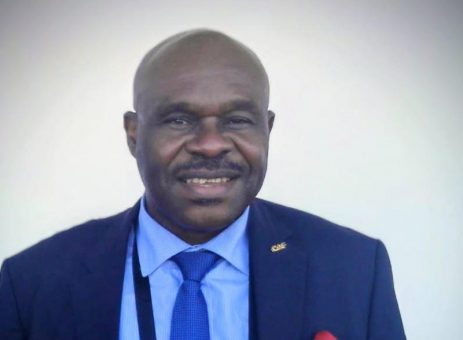
Popular Nigerian finance and technology content creator, Fisayo Fosudo, has raised fresh concerns over what he describes as a rapidly spreading crisis affecting car owners across Lagos, drawing attention to a mix of rising costs, insecurity and worsening urban conditions that are putting unprecedented pressure on motorists.
In a recent public commentary that quickly gained traction online, Fosudo likened the situation facing vehicle owners in Lagos to a “pandemic,” arguing that the scale and frequency of car-related losses now go beyond isolated incidents.
According to him, many drivers are increasingly vulnerable to theft, vandalism and exploitative repair practices, often with little recourse for recovery.
Lagos, Nigeria’s commercial nerve centre, has witnessed a steady increase in vehicle usage driven by population growth and inadequate mass transit alternatives. However, this expansion has also created fertile ground for criminal networks that target cars for parts, accessories and, in some cases, outright theft.
Motorists report frequent incidents involving stolen side mirrors, batteries, tyres and electronic components, especially in congested areas and overnight parking spaces.
Beyond security risks, Fosudo highlighted the financial strain caused by escalating maintenance expenses. With Nigeria still heavily reliant on imported spare parts, fluctuations in foreign exchange and import costs have translated into higher prices for routine repairs.
Simple fixes that once cost modest sums now require significant financial outlays, pushing many car owners into unplanned debt or forcing them to abandon vehicle use altogether.
Poor road conditions and seasonal flooding further compound the problem. Pothole-ridden streets accelerate wear and tear on vehicles, while waterlogged roads often result in engine damage and electrical faults.
For ride-hailing drivers and small business owners who depend on their cars for daily income, these challenges can be devastating.
Fosudo’s warning has sparked widespread discussion among Lagos residents, with many sharing personal experiences that mirror his concerns.
Analysts say his intervention is important because it frames car ownership not just as a lifestyle issue, but as an economic one with broader implications for productivity and urban living.
Experts argue that addressing the problem will require a multi-layered approach, including improved urban security, better road infrastructure, support for local auto-parts manufacturing, and stronger consumer protection against fake or substandard components.
Until such measures are implemented, car owners are being advised to prioritise secure parking, carry out preventive maintenance and remain vigilant.
As Lagos continues to grow, Fosudo’s message serves as a timely reminder that mobility challenges, if left unchecked, can quietly evolve into a full-blown urban crisis.