



Ukraine Ready to Drop NATO Membership Demand in Exchange for Security Guarantees
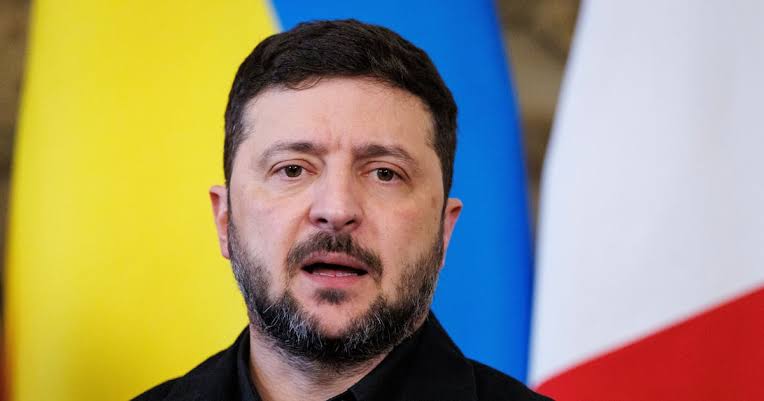
In a significant shift in diplomatic strategy, Ukrainian President Volodymyr Zelenskyy has indicated that Kyiv is willing to abandon its long-standing bid to join NATO if Western allies provide legally binding security guarantees.
The announcement comes ahead of peace talks scheduled in Berlin, hosted by German Chancellor Friedrich Merz, with participation from U.S. and European officials.
For years, NATO membership has been a cornerstone of Ukraine’s defense strategy, enshrined in the constitution as a safeguard against future aggression. However, Zelenskyy acknowledged that formal accession in the near term is unrealistic, due to persistent opposition from Russia and hesitancy among some NATO members.
In response, he proposed a compromise whereby Ukraine would forgo its membership ambitions in return for Article 5‑style security assurances from the United States, European nations, and other partners such as Canada and Japan.
These guarantees would function similarly to NATO’s collective-defense protections.
Ukrainian officials stressed that the security guarantees must be legally binding, with some requiring approval by the U.S. Congress to ensure enforceability. Zelenskyy emphasized that the commitment of allies to Ukraine’s defense should extend beyond diplomatic statements, providing concrete assurances against potential future aggression.
This policy pivot marks a departure from Kyiv’s previous insistence that NATO membership was non-negotiable. Observers say it reflects a pragmatic approach aimed at advancing peace negotiations while navigating geopolitical realities posed by Russia’s strong opposition to Ukraine’s integration into the Western alliance.
Russia, however, has maintained that Ukraine must remain neutral and outside NATO, and continues to press for territorial concessions, which Kyiv has firmly rejected. European leaders involved in the Berlin talks have underscored the importance of sustainable security arrangements while reiterating that any agreement must respect Ukraine’s sovereignty and territorial integrity.
The discussions are part of a broader diplomatic effort, guided in part by U.S. envoys, to explore ceasefire terms and security arrangements that could pave the way for a negotiated end to the war. While the proposal to drop NATO membership has been framed as a step toward compromise, it has sparked debate both within Ukraine and internationally, with some viewing it as a pragmatic move to secure peace, and others cautioning that it may weaken long-term security guarantees.
As the Berlin talks continue, Kyiv’s willingness to adjust its NATO stance signals both flexibility and urgency in seeking a resolution to a conflict that has devastated the country since 2022, highlighting the delicate balance between compromise and national security.