


Oil and Gas Free Zones Authority Seeks 10-Year Tax Moratorium for Operators
The Oil and Gas Free Zones Authority (OGFZA) has formally requested a 10-year tax exemption for companies operating within Nigeria’s oil and gas free zones, arguing that such a measure is crucial for sustaining investment and economic growth under the country’s new tax framework.
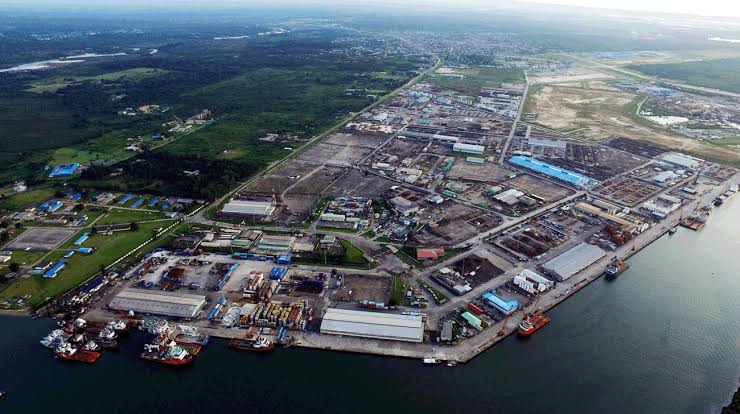
The Managing Director and Chief Executive Officer of OGFZA, Bamanga Usman Jada, disclosed the proposal during a town hall meeting with the Federal Inland Revenue Service (FIRS) and free zone licensees at the Onne Oil and Gas Free Zone in Rivers State.
He said the exemption would give investors the necessary space to adapt their business models to the newly introduced tax laws while remaining competitive in the global market.
Jada highlighted that Nigeria’s free zones have attracted substantial foreign direct investment, contributing to export activity, industrial growth, and job creation.
He emphasised that long-term tax relief would encourage continued investment in infrastructure, manufacturing, and services, while supporting the government’s broader economic objectives.
The request aligns with similar appeals from the Nigeria Export Processing Zones Authority (NEPZA). Its Managing Director, Dr Olufemi Ogunyemi, called for a decade-long exemption for all Special Economic Zone (SEZ) operators, arguing that tax incentives are a core component of the free zone model and are essential for providing stability and predictability to investors.
Proponents of the exemption stress that Nigeria’s free zones have historically thrived on fiscal incentives, which attract both local and international investors. A 10-year tax holiday, they say, would reinforce confidence, stimulate industrial diversification, and strengthen backward linkages with the domestic economy.
Critics, however, caution that extended exemptions must be balanced against the government’s need to broaden the domestic revenue base and ensure equity in the tax system, particularly under the 2025 tax reform framework.
They warn that long-term incentives should not undermine fiscal sustainability.
The government has yet to issue a formal response to the proposal. Discussions between tax authorities, policymakers, and industry stakeholders are ongoing as Nigeria continues to implement reforms aimed at modernising its tax system and promoting sustainable investment growth.