ECOWAS Ministers Rally Behind Ghana’s President Mahama as Sole Bid for AU Chairmanship in 2027
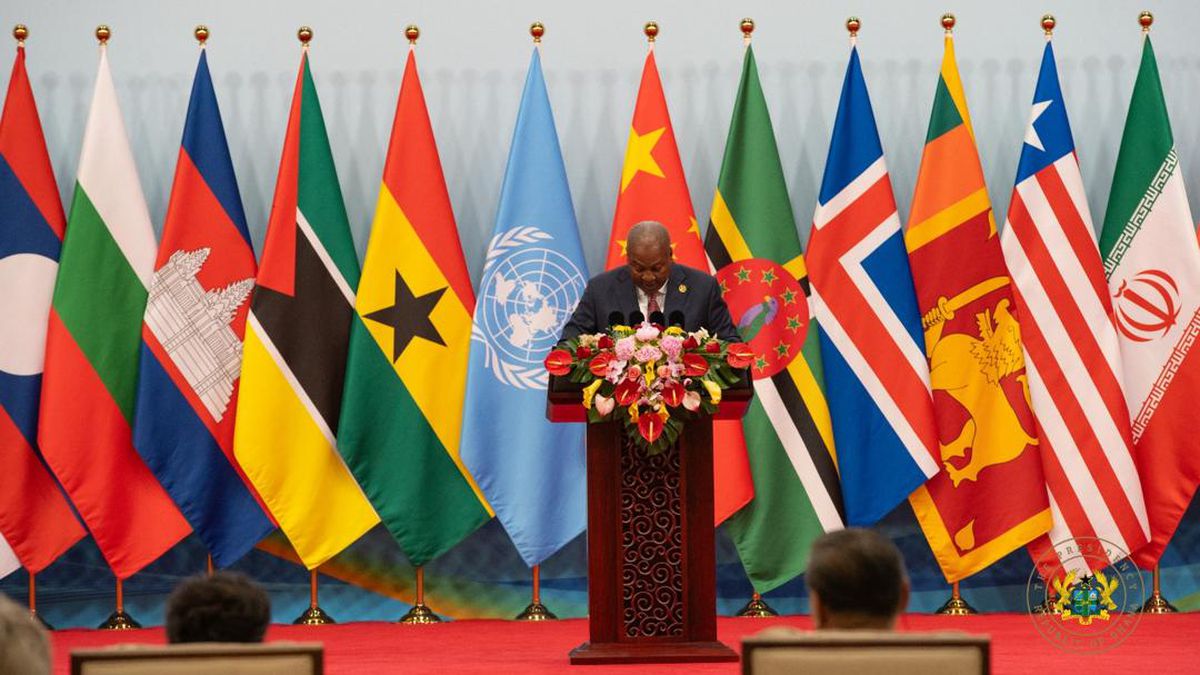
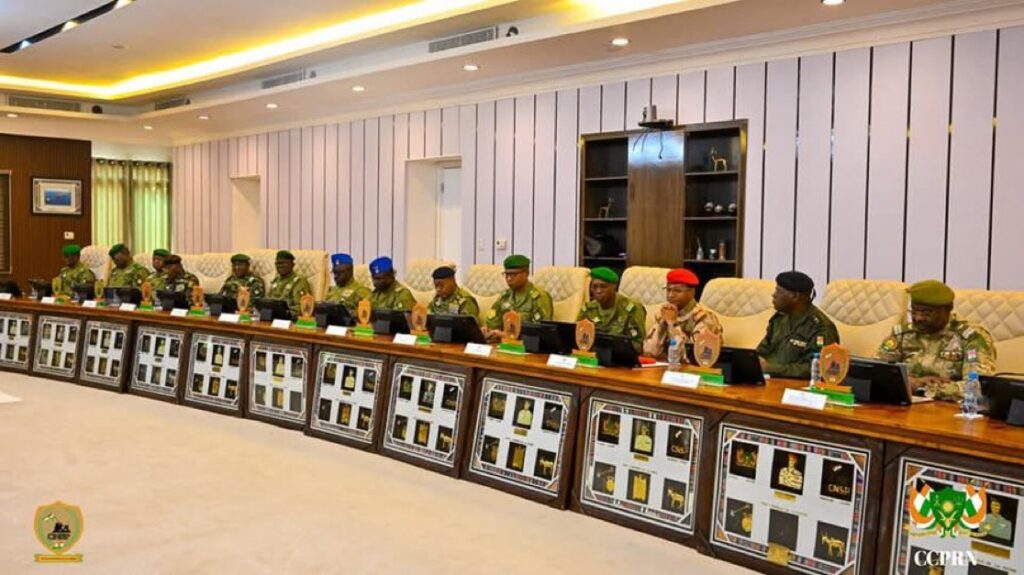
The Economic Community of West African States (ECOWAS) has thrown its collective weight behind Ghana’s President, John Dramani Mahama, selecting him as the region’s exclusive contender for the African Union (AU) chairmanship when the position rotates to West Africa in 2027. The endorsement was reached during the 95th Ordinary Session of the ECOWAS Council of Ministers, held in Abuja, where member states agreed that presenting a unified front would strengthen the region’s prospects on the continental stage.
According to officials who attended the session, the decision was unanimous, with ministers citing Mahama’s diplomatic experience, contributions to regional stability, and long-standing involvement in mediation efforts across West Africa. His previous tenure on peace missions and his engagement in ECOWAS-led interventions reportedly played a significant role in securing widespread support.
The recommendation is expected to be forwarded to the Authority of Heads of State and Government — ECOWAS’ highest decision-making body — for formal adoption at the upcoming summit. Once ratified, the endorsement will be communicated to the AU Commission as West Africa’s consolidated choice, ahead of consultations with other regional blocs.
Political analysts say the early endorsement signals ECOWAS’ intention to enter the AU leadership race with a strong and coherent strategy. Historically, regions that rally behind a single nominee have enjoyed greater success in securing the chairmanship, which rotates annually among Africa’s geopolitical regions. With West Africa next in line for the seat in 2027, the bloc appears determined to avoid internal competition and present a solid coalition.
Reactions in Ghana have been marked by a mix of enthusiasm and cautious optimism. Supporters argue that Mahama’s selection highlights the country’s growing influence in regional affairs, while critics stress the need for extensive diplomatic engagement across Africa to ensure broad-based support. AU chairmanship contests typically involve months of negotiation, lobbying, and alliance-building, and despite ECOWAS’ backing, the race is far from concluded.
If successful, Mahama would oversee the AU at a time when Africa faces wide-ranging challenges from security threats and constitutional instability to economic restructuring and continental trade expansion. His leadership would also be closely watched in relation to the ongoing implementation of the African Continental Free Trade Area (AfCFTA), headquartered in Ghana.
As preparations begin for the 2027 rotation, West Africa’s early consolidation around one candidate sets the stage for a potentially smoother electoral process at the continental level. The coming months will involve diplomatic outreach to other African regions as Ghana positions itself to secure one of the AU’s most influential roles.