


Dangote Refinery Introduces Short-Term Credit Window as Petrol Price Crashes
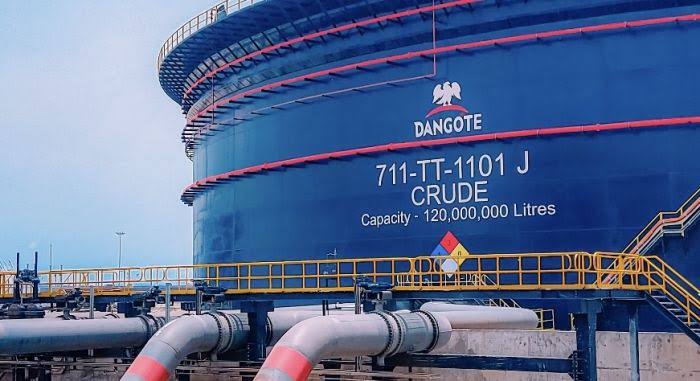
Dangote Petroleum Refinery has unveiled a new short-term payment arrangement for fuel marketers, a development that coincides with a reduction in the ex-depot price of Premium Motor Spirit (PMS).
The initiative is aimed at easing liquidity pressures within Nigeria’s downstream petroleum sector while supporting smoother product distribution nationwide.
Under the new framework, eligible marketers are allowed to lift petroleum products from the refinery and complete payment within a 10-day window.
The arrangement is structured around bank-backed guarantees, ensuring financial security for the refinery while granting distributors temporary relief from immediate cash settlement.
Industry insiders say the policy is primarily targeted at bulk buyers capable of lifting large volumes and meeting specified credit conditions.
Alongside the credit facility, the refinery has lowered its gantry price for petrol to ₦699 per litre.
The price adjustment reflects a notable decline from previous rates and is expected to influence downstream pricing dynamics, particularly at the retail level. Although pump prices are determined by several factors, including transportation and dealer margins, analysts believe the reduction could help moderate fuel costs in some parts of the country.
The introduction of deferred payment terms marks a significant shift in commercial practice within Nigeria’s fuel supply chain, where cash-and-carry transactions have long dominated. Marketers have frequently complained that tight liquidity, high interest rates, and foreign exchange volatility limit their ability to stock sufficient volumes.
By offering a brief credit window, the Dangote Refinery is positioning itself as both a supplier and a stabilising force in the market.
Energy sector experts note that the move may intensify competition among suppliers, compelling other refiners and importers to review their own pricing and sales conditions.
Since commencing operations, the refinery has steadily increased its influence in the domestic market, with pricing decisions often triggering broader adjustments across the downstream segment.
However, the new arrangement may not benefit all operators equally. Smaller marketers and independent retailers could struggle to meet the volume thresholds or banking requirements needed to access the credit facility.
As a result, the policy may further consolidate supply among larger distributors with stronger financial backing.
The development comes amid ongoing efforts to strengthen domestic refining and reduce Nigeria’s dependence on imported fuel.
With local production gradually expanding, stakeholders expect pricing and supply mechanisms to continue evolving in response to market realities.
As the refinery consolidates its role in the energy landscape, industry participants will be closely watching whether the 10-day credit scheme becomes a permanent feature and how sustained price adjustments could shape fuel affordability and availability in the months ahead.